
Giannina moka pot review: Angelo brews three cups and one
Angelo tries the Giannina’s lever-operated closure and reversible filter, then tastes both serving sizes. A first look, not a head-to-head moka comparison.


In this giannina moka pot review, Angelo brews both three cups and a single serving. He finds the coffee soft and pleasant, but the video has no side-by-side tasting against a conventional moka. Filmed on 4 October 2023, it’s a first look. The video is in Italian; on YouTube, turn on CC, then choose Settings, Subtitles, Auto-translate and English.
What makes the Giannina different from a conventional moka?
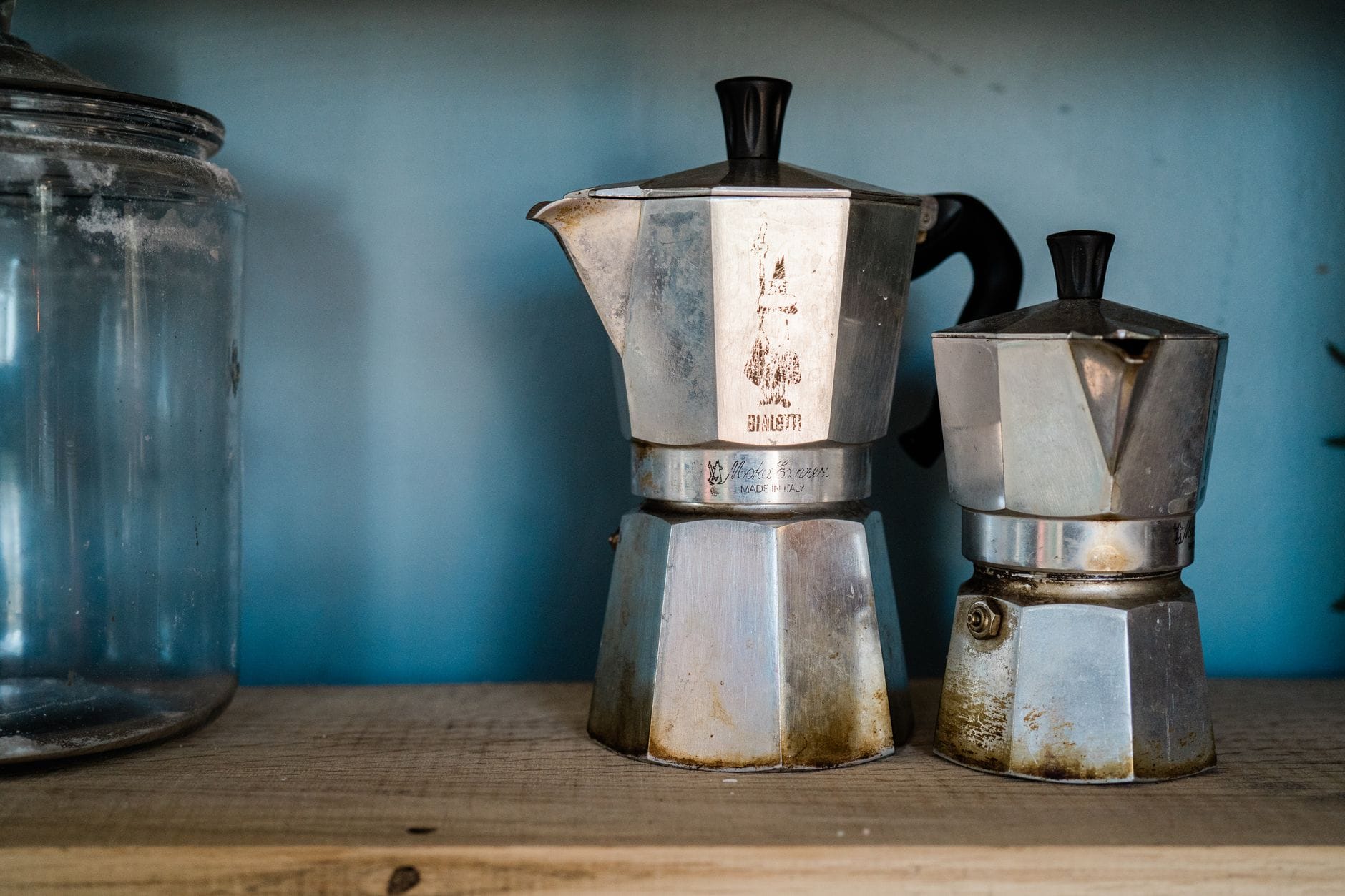
Angelo focuses on the construction, closure and reversible filter. His Giannina has a stainless-steel body and a locking mechanism operated by the handle, instead of the screw-together closure used on a conventional moka pot.
He also points out a gasket that fits closely against the filter and a small cap over the central outlet to limit splashes. They’re practical details you notice when handling the pot. Turn the filter over and you can switch between a three-cup brew and a single serving.
Those features explain why Angelo is interested in the pot, but they don’t tell you which coffee you’ll prefer. For a stovetop comparison with a head-to-head tasting, read Angelo's Kamira vs moka pot test. He looks separately at flavour, concentration and everyday convenience.
How does Angelo brew with the three-cup setting?
He fills the lower chamber to just below the safety valve, sets the filter for three cups, adds the coffee and closes the pot before putting it on the stove. He uses a dosing accessory he already knows. The video doesn’t give a coffee-and-water recipe in grams.
The beans are a dark-roasted supermarket coffee, freshly ground. That’s useful context for his tasting notes: cocoa and hazelnut describe this coffee in this brew. They aren’t flavours the Giannina will bring out of every bag of beans.
Angelo says the brew takes about four and a half minutes, longer than with his aluminium moka. That’s what happened in his test, not a target for your stove. In the comments, he explains that timing a moka is tricky because you can’t easily see when the water first reaches the coffee. Total preparation time and contact time aren’t the same thing.
How does the single-cup filter work?
Turn the reducing filter over, then fill the water to the level marked for that setup. Making a smaller serving with the same pot is one of the features Angelo wants to test.
The video also shows him having trouble finding the internal zero-level mark, which he confirms in replies to viewers. We can’t get a dependable single-cup water volume from this footage. Check the instructions for your model to find the right mark; don’t try to guess it from a reflection in the video.
Check induction compatibility for your specific version, too. Viewers report different experiences in the comments, and one demonstration can’t confirm that every Giannina works on induction. The instructions for your pot are the best place to check.
Why does Angelo avoid a mound of coffee?
He spreads the grounds evenly across the filter. In the video, he explains that closing the pot with a mound in the middle compresses the grounds unevenly, which can make it harder for water to pass through evenly.
So pay attention to how the coffee sits in the filter instead of adding an extra heap in the centre. Angelo mentions an ashy taste while explaining this. Bitterness in the cup alone won’t tell you exactly how water moved through the grounds.
Clean equipment also helps when you’re comparing brews. If you use an aluminium moka, our guide to cleaning it and recognising when it needs replacing explains the difference between coffee residue and surface problems. Care tips for one material don’t necessarily apply to another.
How does the coffee taste, and does it replace his moka?
In the first tasting, Angelo gets cocoa and hazelnut on the nose, a delicate body and a soft, sweet cup with some bitterness. After reversing the filter, he notices a caramel-like note. The two cups taste very similar to him.
These are his first impressions of the two setups. At the end of the video, he says he’ll use the Giannina for now because he wants to keep experimenting. He mentions a possible comparison with aluminium and stainless-steel moka pots, but that test isn’t in this video.
If you own one, try comparing two brews yourself: weigh the water and coffee, keep the recipe the same, then change the grind size. Taste the cups side by side and note which you prefer. That will tell you more about your coffee than trying to match Angelo’s timing.
On Patreon this week
For Premium members, Angelo wrote a follow-up on this topic, in Italian and English: Giannina: timing, grind and the closure. The opening is free to read.
Join the Caffinity community
Caffinity brings coffee drinkers together with specialty roasters and offers partner discounts. Caffinity Premium on Patreon includes extra content, behind-the-scenes material, bigger partner discounts and private Discord channels.
Subscribe to Angelo's YouTube channel for more coffee tests. The videos are in Italian; use YouTube’s subtitle and auto-translate controls when available.
Do you use a Giannina, or stick with your usual moka? Tell us about your brewing routine in the free Caffinity Discord chat.
Read next

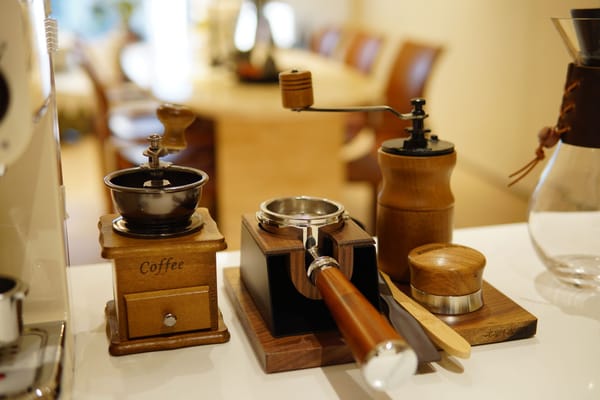
Coffee grinder for espresso, moka and filter: what to look for
Manual or electric, ceramic or steel, stepped or stepless: Angelo’s video compares grinders and shows what to consider for your brewing method and daily routine.
Coffee deals on Telegram: we're sharing them on Amanti del Caffè
After our community poll, we’ll share Amazon offers on coffee machines, grinders and accessories on Amanti del Caffè on Telegram, ahead of Black Friday.

Lelit Anita review: how it compares with the Gaggia Classic Pro and Pavoni
An integrated grinder, a separate setup or a manual lever: Angelo compares the Anita, Classic Pro and Europiccola, and explains what his test can and can’t tell you.