
Kamira Espresso Crema: How the Stovetop Brewer Works
See how the Kamira works on a stovetop, what Angelo’s coffee comparison shows, and why a thick layer of crema is not a reliable measure of espresso quality.

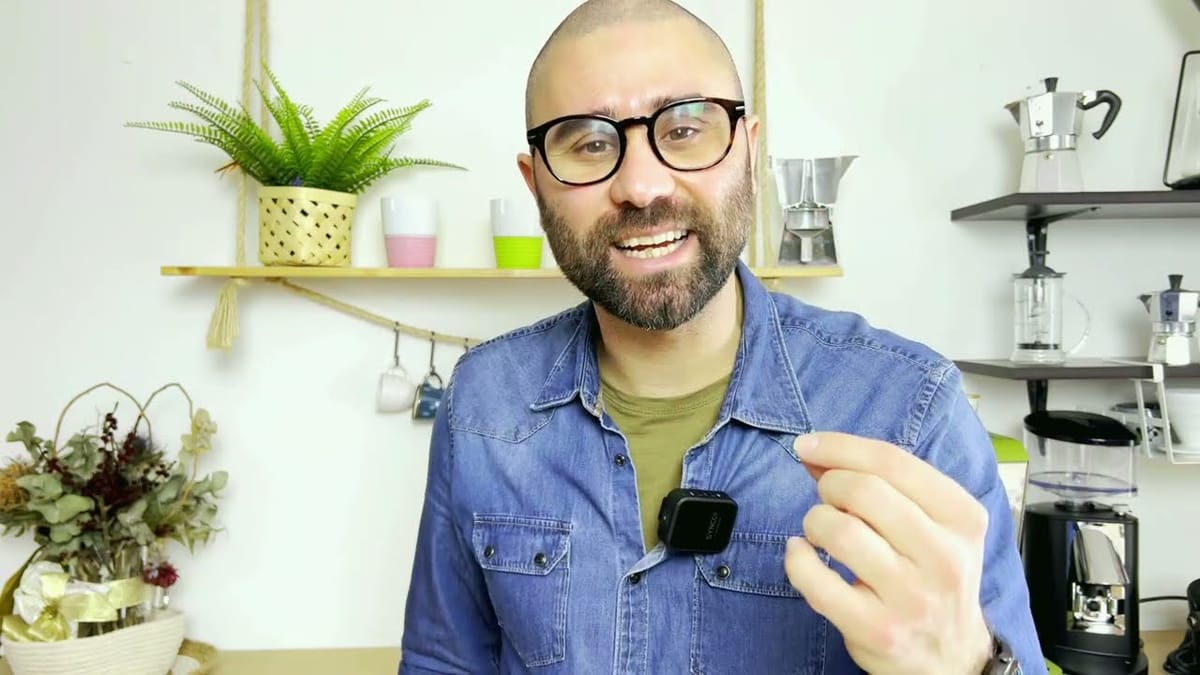
Kamira espresso crema can look impressive, but the foam alone cannot tell you whether the coffee tastes good. In Angelo’s video, he shows how the stovetop brewer works and compares a supermarket blend with a 100% Arabica coffee. The video is in Italian; turn on CC, then Settings, Subtitles, Auto-translate, and English.
How does the Kamira make espresso on the stove?
The Kamira heats on a stovetop and uses a lever to start water moving through the coffee. In the video, Angelo fills the reservoir and preheats the brewer, tilting it by about 30 degrees so the water moves through more quickly. Once steam comes through instead of water, he lowers the lever carefully.
For the shot, he fills the filter with supermarket-ground coffee and levels it without tamping. He then fits the portafilter, lights the burner, and adjusts the heat while watching the flow. These are the steps shown in Angelo’s video, not a universal recipe. Follow the instructions for your own brewer and take care around hot metal and cups.
What does crema tell you about espresso?
Crema is the foamy layer on top of espresso, but its thickness is not a quality score. In the video, Angelo connects it with carbon dioxide that develops during roasting. The comparison mainly shows that different coffees can produce different amounts of foam.
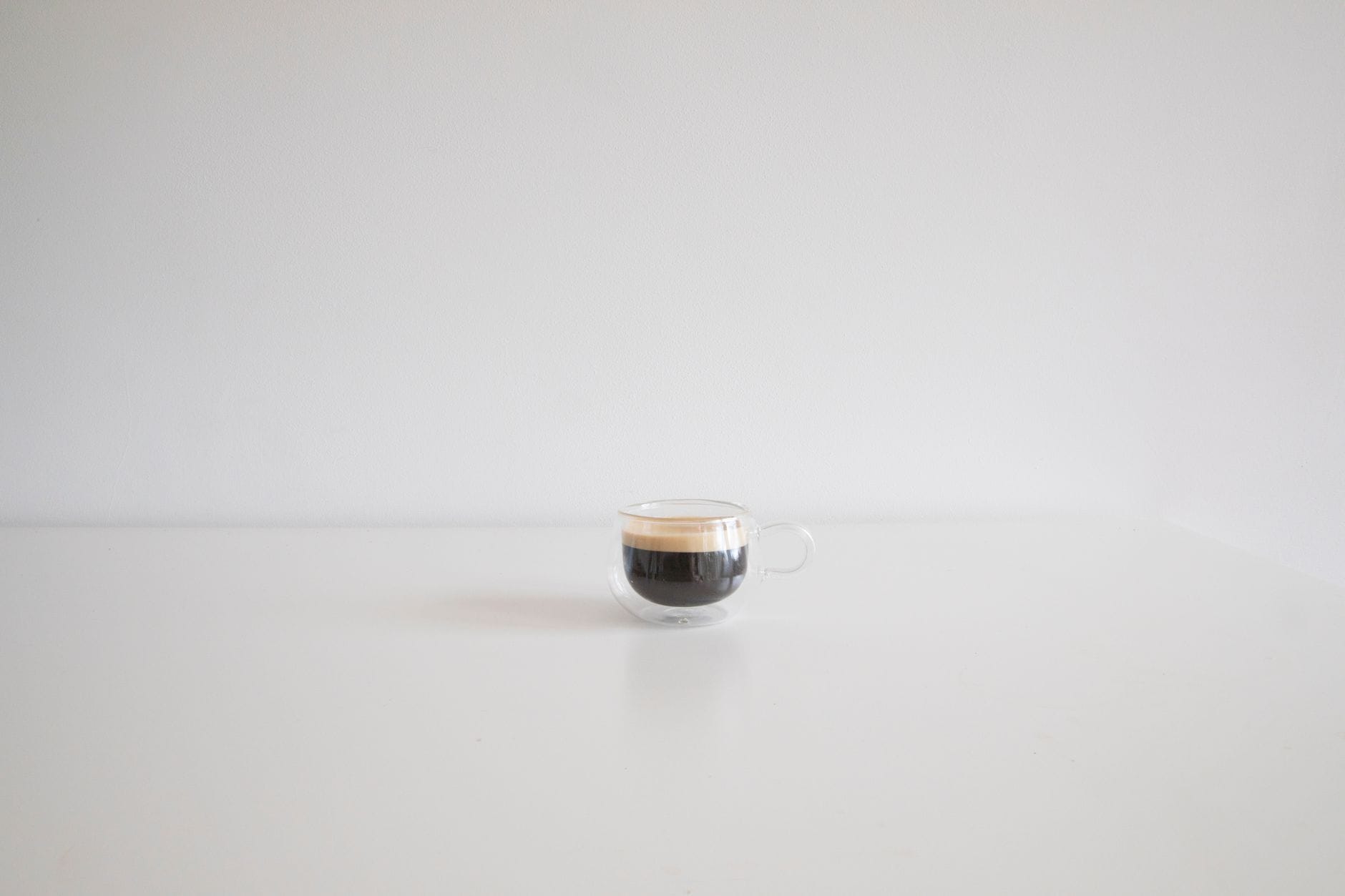
The Specialty Coffee Association explains that crema shapes expectations and the sensory perception of espresso. A persistent layer of foam may make a cup seem smoother, but it does not prove that the coffee is better. Taste the cup and consider aroma, flavor, and texture alongside its appearance.
Does Robusta always produce more crema?
The video shows a difference between two specific coffees, not a rule for every blend. Angelo compares a standard supermarket blend with a 100% Arabica single-origin coffee. In that test, the supermarket blend produces more foam. Coffee composition can change how an extraction looks, but this one comparison cannot show that every blend containing Robusta makes more crema or tastes better.
That is why crema alone is a poor way to choose espresso. If you want to understand what can make a shot weak or unbalanced, read our guide to the causes of watery espresso.
Is thicker crema a sign of better espresso?
No, not on its own. Crema affects how a drink looks and may shape the first impression, but it cannot replace tasting. Color and volume vary with the coffee and the way it is prepared. Two cups with different amounts of foam are both worth tasting before you decide which one you prefer.
If you are comparing home espresso machines, consider the brewing method and the routine, not just the look of the cup. For another example, see our review of the De’Longhi Dedica EC685. The equipment and controls differ, but tasting what ends up in the cup still matters more than judging crema alone.
A practical tip: taste the coffee before judging its foam. When comparing two coffees, keep the method as consistent as you can and note which cup you actually prefer.
On Patreon this week
For Premium members, Angelo wrote a follow-up on this topic, in Italian and English: Kamira espresso with crema: what I noticed in the comparison. The opening is free to read.
Join the Caffinity community
Get exclusive discounts from specialty coffee roasters and join the free Caffinity chat on Discord. Explore Caffinity Premium on Patreon for extra content and behind-the-scenes material from Angelo’s videos.
If you found the video useful, subscribe to Angelo’s YouTube channel.
Read next
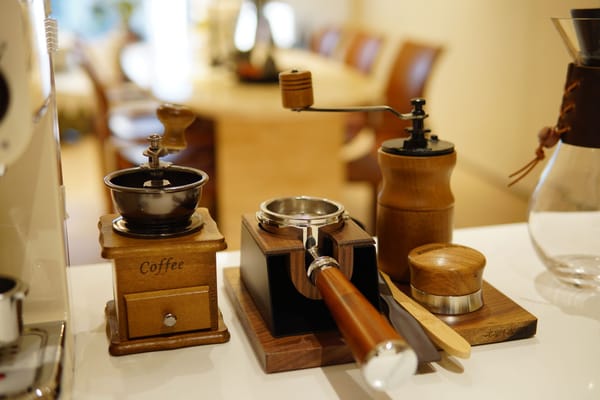
Coffee grinder for espresso, moka and filter: what to look for
Manual or electric, ceramic or steel, stepped or stepless: Angelo’s video compares grinders and shows what to consider for your brewing method and daily routine.
Coffee deals on Telegram: we're sharing them on Amanti del Caffè
After our community poll, we’ll share Amazon offers on coffee machines, grinders and accessories on Amanti del Caffè on Telegram, ahead of Black Friday.
Lelit Anita review: how it compares with the Gaggia Classic Pro and Pavoni
An integrated grinder, a separate setup or a manual lever: Angelo compares the Anita, Classic Pro and Europiccola, and explains what his test can and can’t tell you.