
Single basket espresso: dose, double baskets and puck screens
A single espresso basket needs more than half a double dose. Learn how shape, tamping and dose affect repeatability, and what Angelo found when he added a puck screen.

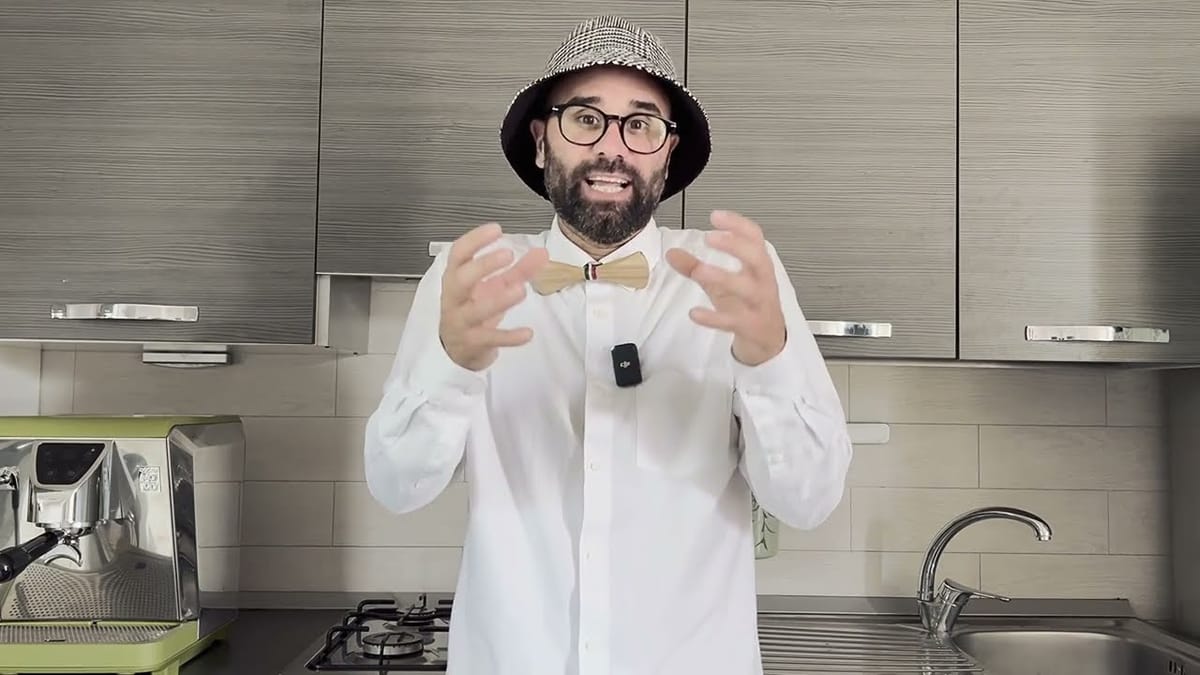
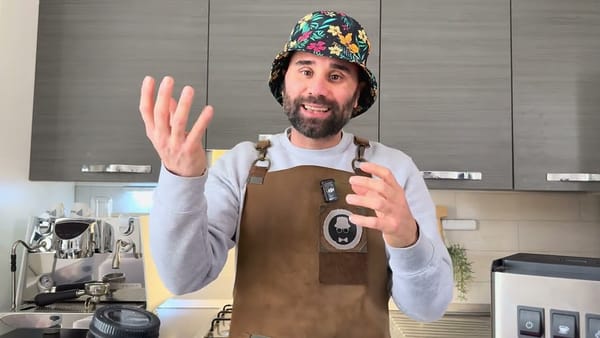
Single basket espresso can taste good, but halving a double dose is not enough: basket shape affects distribution and tamping. Start with its rated capacity, weigh your coffee and judge the cup. In this video Angelo explains the differences and his puck screen experience. The video is in Italian; on YouTube, enable CC and choose Settings, Subtitles, Auto-translate, English.
What is the difference between single and double baskets?
The difference is not just capacity: the geometry that water encounters matters too. Angelo compares a single basket that narrows toward the bottom with a double offering a more regular surface. Designs vary, so look at your own basket before applying an online recipe.
The double makes it easier to prepare an even bed of coffee. With the single shown in the video, a small dose leaves some of the surface uncovered and is less straightforward to tamp. Angelo’s point is about repeatability: a double tends to be easier to use consistently, not automatically better tasting in every situation.
This discussion concerns traditional espresso baskets. Single versus double describes the dose; pressurized versus non-pressurized is a separate distinction. For a domestic machine, our guide to De’Longhi Dedica basket types explains why identifying your basket comes before changing the recipe.
Why are single baskets harder to use?
Preparing the puck evenly can be more difficult in a single, and small differences show up in the cup. Angelo describes two obstacles: water taking different paths around the coffee, and a tamper that does not work cleanly within the basket’s shape. In his example, the puck can move during brewing and allow water to pass more freely in certain places.
That does not mean every single basket behaves this way. It means that when two shots with the same dose come out differently, blaming the machine or adding coffee blindly is not a useful first move. Check distribution, whether the tamp is level, and whether the tamper is pressing the coffee rather than being stopped by the walls.
Also consider the drink itself. A thin espresso is not, by itself, proof of low extraction. Our guide to watery espresso and its causes helps separate dose, beverage yield and uneven flow before you start adjusting everything.
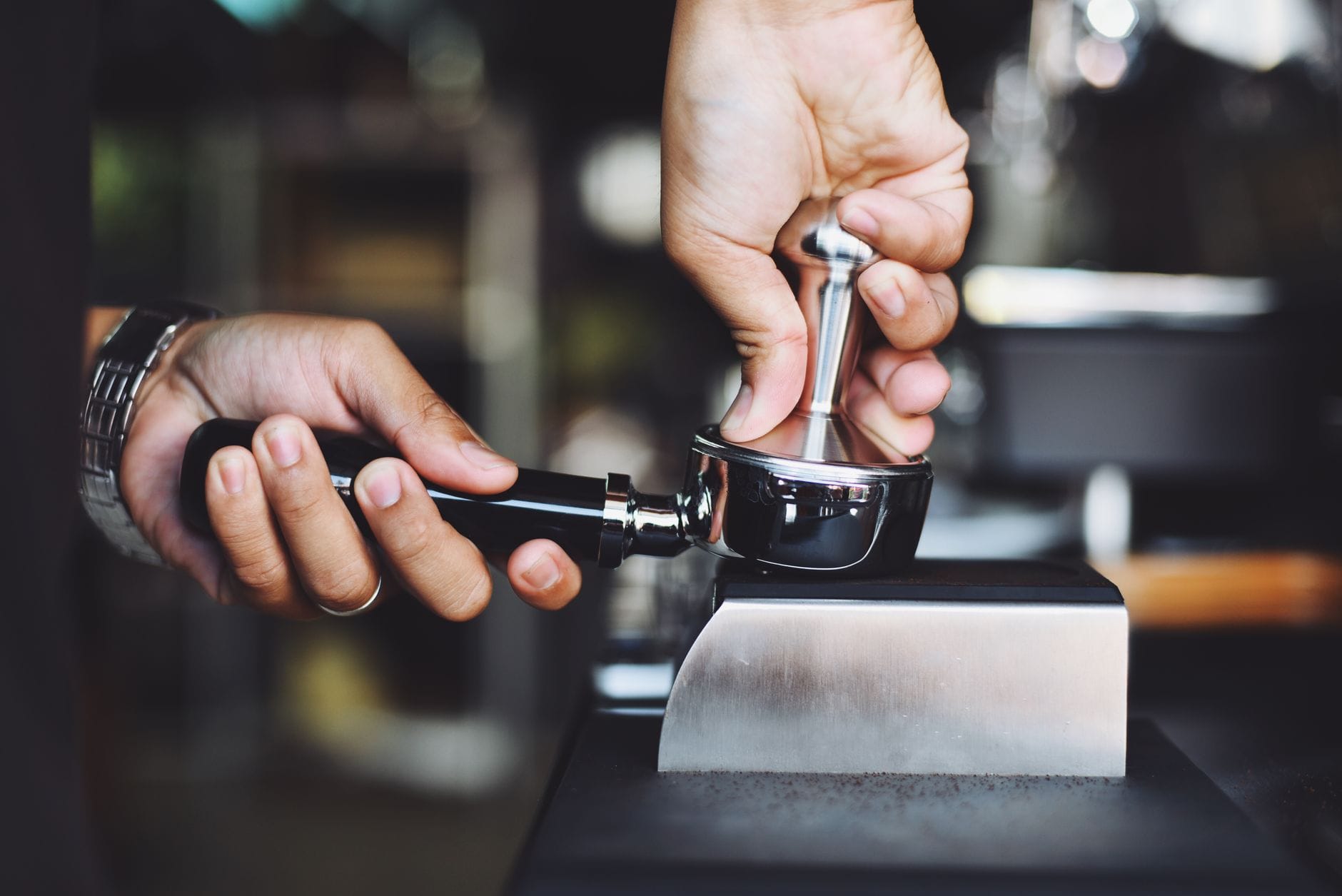
How much coffee goes into a single basket?
Choose the starting dose for your particular basket, rather than following one number for every setup. In the video Angelo suggests 7-10 grams, up to a maximum of 11, for a single and 14-18 grams for a double. These are his starting references, not permission to put those amounts into any basket.
If the manufacturer specifies a capacity, start there. Angelo points out that even apparently similar double baskets may be designed for very different doses. Adding coffee does not automatically make a small single more reliable: the portafilter must still close normally, with room for a puck screen if you use one.
The video also shows an old-school coin check on the dry puck. Treat it as an illustration of checking clearance, not a universal measurement: coin thickness and machine geometry change what the test means. The useful lesson is not to ignore a dose that gets compressed or marked when you lock in the portafilter, before brewing.
- Weigh the coffee before brewing.
- Record which basket you used and the actual dose.
- Check that the portafilter locks in normally without forcing it.
- Compare shots at the same beverage yield, rather than looking only at time.
Does a puck screen help a single basket?
In Angelo’s reported test, it did: the puck screen helped distribute water and limited the coffee puck lifting. It is a disc placed on top of the tamped coffee. Angelo says this addition allowed him to switch between single and double baskets while keeping the same grind setting.
That is his experience with his equipment, not a promise for every machine. A screen does not automatically correct an unsuitable dose, and it occupies space inside the basket. Check compatibility and make sure it does not interfere with normal portafilter closure before trying one.
To find out whether it helps you, make a shot without it and then one with it, keeping the coffee, dose and beverage yield unchanged. Judge taste and repeatability. A tidier-looking puck after brewing is not enough, on its own, to demonstrate better espresso.
Should you change dose or grind size?
When the shot is already close to your target, Angelo suggests small dose adjustments; when switching baskets, do not assume the same grind setting will work. In the video he suggests half-gram changes to fine-tune body when the other brewing parameters are already reasonable.
Use that advice thoughtfully. More body and higher extraction are not the same thing, and bitterness does not point to just one cause. Adding coffee changes your recipe: record the adjustment and taste the result rather than seeking confirmation only from the timer.
A useful test is simple: choose one basket, find a compatible dose, keep beverage yield steady and change one variable at a time. Only then compare the single with the double. Choosing a double because it gives you fewer problems is not cheating. If a smaller dose suits your routine, the single deserves its own setup.
Join the Caffinity community
Caffinity Premium offers extra content and behind-the-scenes material from Angelo’s videos, enhanced partner-roaster discounts and reserved Discord channels. Explore Caffinity Premium on Patreon.
The full video is embedded above. For more espresso tests and explanations, subscribe to Angelo’s YouTube channel. His videos are in Italian; YouTube’s subtitle settings can provide automatic English translation.
Prefer a single or a double? Join the free Caffinity Discord chat and share your basket, dose and the problem you are trying to solve.
Read next
Coffee grinder for espresso, moka and filter: what to look for
Manual or electric, ceramic or steel, stepped or stepless: Angelo’s video compares grinders and shows what to consider for your brewing method and daily routine.
Coffee deals on Telegram: we're sharing them on Amanti del Caffè
After our community poll, we’ll share Amazon offers on coffee machines, grinders and accessories on Amanti del Caffè on Telegram, ahead of Black Friday.
Lelit Anita review: how it compares with the Gaggia Classic Pro and Pavoni
An integrated grinder, a separate setup or a manual lever: Angelo compares the Anita, Classic Pro and Europiccola, and explains what his test can and can’t tell you.