
Coffee TDS: Caffinity Lab turns measurements into a practical test
Caffinity Lab 01 is here: a practical Premium lesson on strength, extraction and tasting, with a guided filter-coffee experiment and a printable PDF worksheet.

Coffee TDS tells you how concentrated a beverage is, not how much you will enjoy it. Extraction yield answers a different question: how much of the dry coffee made its way into the drink. Caffinity Lab 01, released on October 4, starts with that distinction. It is the first practical lesson in our Premium series.
What is Caffinity Lab?
Caffinity Lab is a practical learning series: start with a specific question, set up a comparison and record what happens. The goal is not to turn a personal preference into a rule for everybody. It is to learn how to make a comparison that tells you something useful.
The first episode, Strength is not extraction, focuses on filter coffee. It connects three things that are easy to confuse: beverage concentration, extraction yield and what you perceive when tasting. The full lesson is available on Patreon to Caffinity Premium members, with Italian and English text.
Why cannot TDS choose your favourite cup?
A useful measurement does not answer every question. Measuring concentration is not the same as describing aromas, and describing a cup is not the same as deciding whether you like it. The SCA's explanation of dialing in, referenced in the Lab lesson, discusses strength and extraction as different concepts.
If a reading changes, ask what changed in your comparison instead of declaring the cup better. Choosing a favourite still involves tasting. Instruments and sensory observations can work together without one replacing the other.
Still choosing a brewing method? Our guide to filter coffee versus espresso is a starting point. Lab 01 is a filter-coffee exercise, not a universal espresso recipe.
What is inside the Premium episode?
The full lesson guides an A/B filter-coffee experiment: compare two grind settings while keeping the other brewing conditions unchanged. Rather than chasing a supposedly correct result, observe whether a difference repeats and how you describe it in the cup.
- Strength and extraction explained: what the measurements mean and what they leave out.
- A guided experiment: how to organise the comparison and record observations.
- A printable A/B worksheet: a PDF to fill in during the exercise.
- A critical reading of the outcome: keep measurements, sensory descriptions and preference separate.
Have a refractometer? The lesson explains how its readings fit into the exercise. No refractometer? You can still do the sensory part. There is no need to invent numbers to compare and describe two cups.
How can you start without changing everything at once?
Start with a small, observable question. Changing the coffee, water and grind setting together makes it hard to identify what caused a difference. Recording the conditions is useful before you add an instrument.
Water deserves a comparison of its own. Our water for coffee guide offers a starting point without claiming a perfect choice for everybody. Lab 01 gives you a focused experiment instead of asking you to solve every brewing question at once.
Open Caffinity Lab 01 on Patreon
The Premium benefit here is a complete practical lesson and a worksheet to use, not just another explanation to read. Both are available in the published episode.
Explore Caffinity Lab 01 on Patreon.
Join the Caffinity community
Watch Angelo's coffee tests by subscribing to his YouTube channel. His videos are in Italian; YouTube offers automatically translated English subtitles through CC and the subtitle settings. The free Caffinity Discord community is open to everyone. For the full Lab lesson and other member benefits, explore Caffinity Premium.
Read next
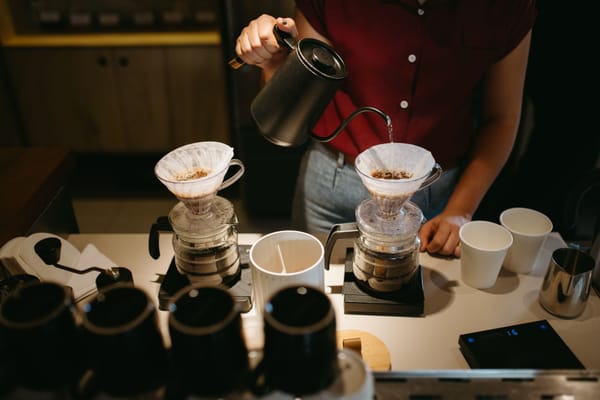
Water for Coffee: What It Really Changes in the Cup
Water affects how coffee tastes, but there is no single best choice for everyone. Learn how to compare tap and bottled water without changing several brewing variables at once.
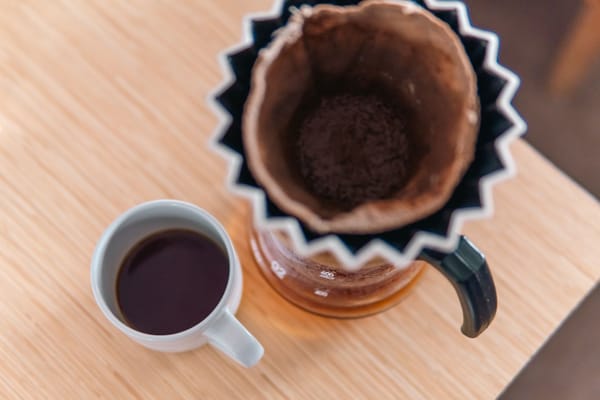
Filter coffee vs espresso: which should you start with?
Filter coffee or espresso to get started? Compare taste, equipment and effort, then choose the brewing method that fits your everyday routine.