
Filter coffee vs espresso: which should you start with?
Filter coffee or espresso to get started? Compare taste, equipment and effort, then choose the brewing method that fits your everyday routine.

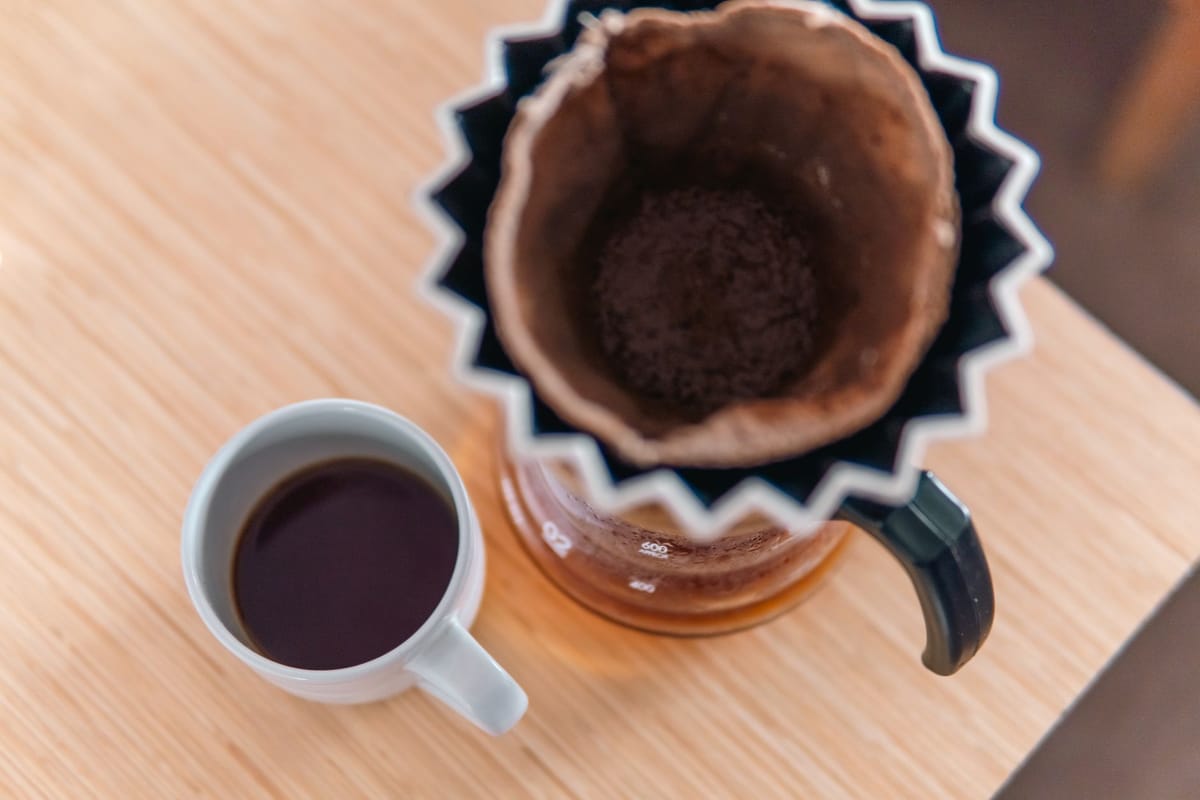
Filter coffee vs espresso: to choose where to start, begin with the cup you want to drink. Filter coffee offers a longer drink and often needs only a simple setup; espresso is concentrated and calls for a machine. Filter brewing is often a more straightforward place to learn. Choose espresso if that is the taste you want and you are happy to practise.
How do filter coffee and espresso differ in the cup?
The most obvious difference is concentration. Espresso is short and intense; filter coffee is usually served in a larger cup and makes for a longer drink. That does not mean one has more flavour than the other. They present coffee differently, and the way you drink each cup is different too.
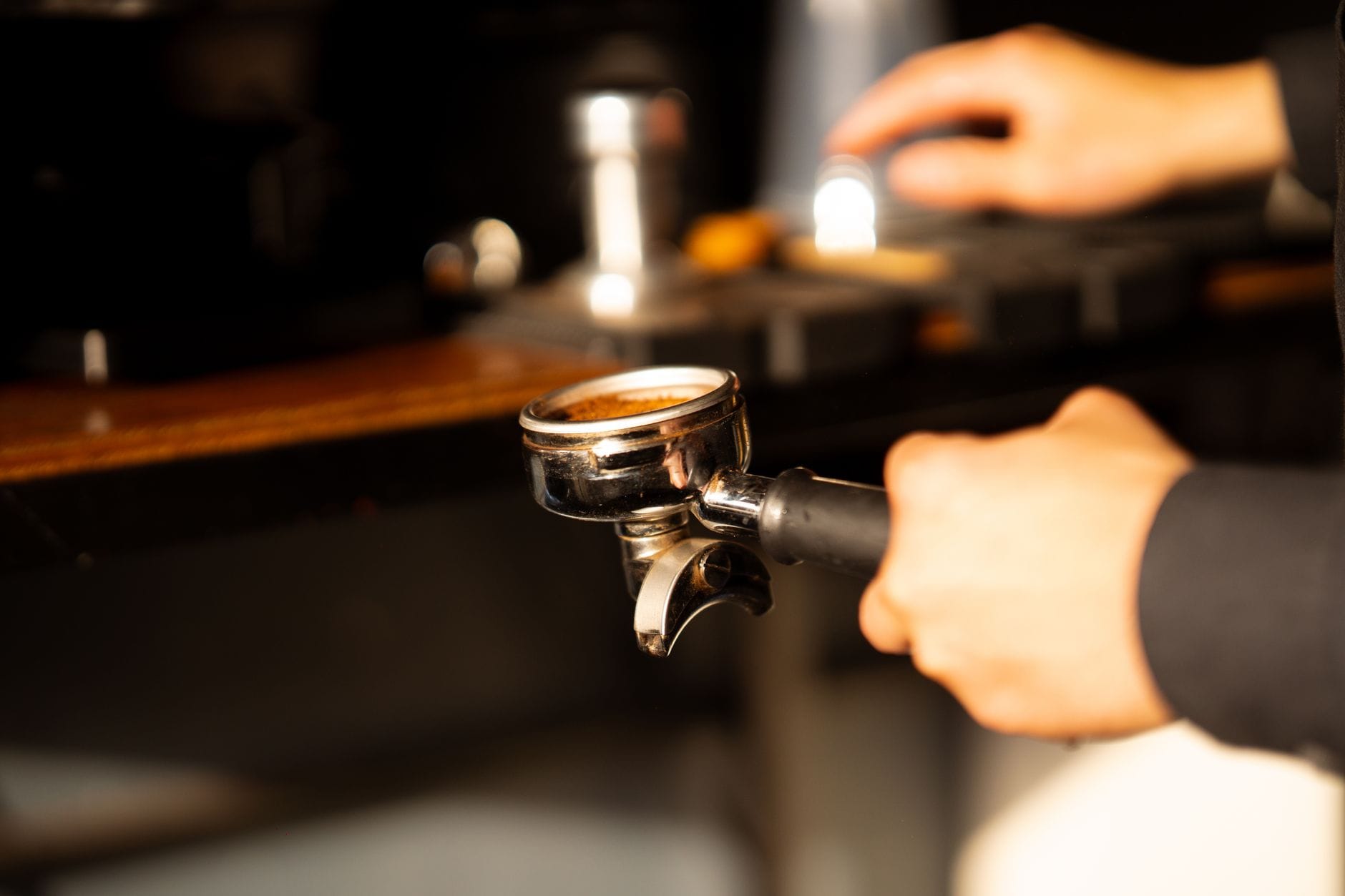
With filter coffee, water passes through ground coffee and then a filter, which may be paper or another material. An espresso machine pushes water through coffee prepared in a portafilter. Beans, grind and preparation matter in both methods, but the results are not interchangeable. If you like to sip a cup while doing something else, filter coffee may suit you. If you want a concentrated base or drinks made with espresso and milk, espresso is closer to what you have in mind.
Which method is easier to learn?
Filter coffee is often simpler to get started with because you can brew it without an espresso machine and focus on a small number of steps. It is not automatic, though: grind, coffee amount, water and pouring all affect the result. At first, keep your method steady and change one thing at a time rather than adjusting everything from cup to cup.
Espresso asks you to learn both the machine and the preparation. Grind and dose interact with the flow and with the machine, so a weak or unbalanced cup may have more than one cause. If you want to understand those issues, see our guide to the causes of watery espresso. You do not need to chase a perfect recipe straight away. It is more useful to notice what changes in the cup when you adjust the preparation.
What equipment do you need for each method?
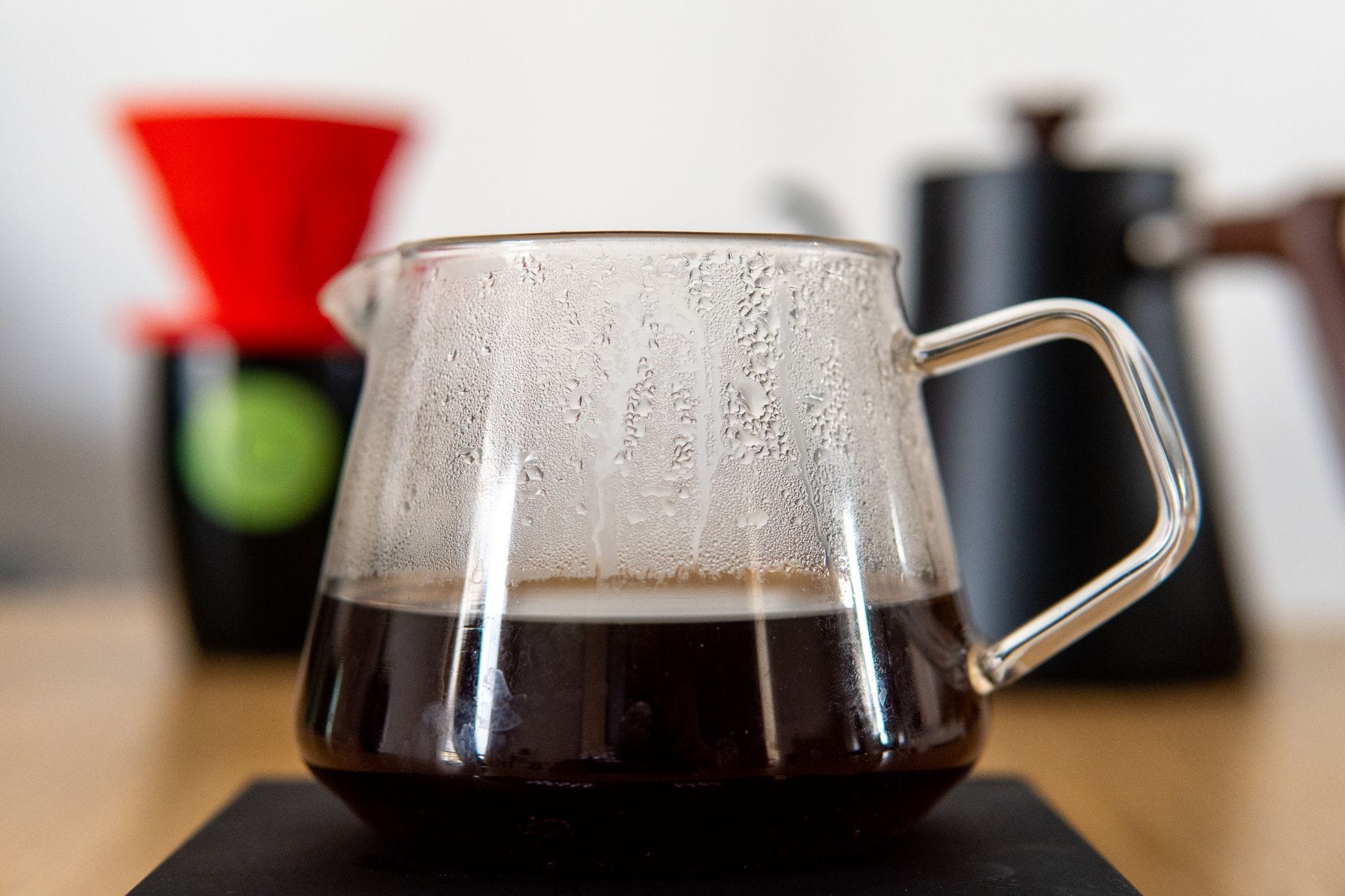
For filter coffee, you generally need a simple brewing device, a vessel and a way to heat water. A dedicated grinder can make your brewing tests more consistent, but you can start with what you have and decide whether you enjoy the method before buying more gear. Paper and reusable filters also differ in convenience and cleanup.
Espresso involves a machine and, if you want control over grind size, a suitable grinder. That means more equipment, space and decisions before you make a cup. Home machines do not all work in the same way. For example, a pressurized basket on the De’Longhi Dedica is different from a traditional basket. Before buying, check which system the machine uses and what it requires to make the coffee you want.
How do you choose the right method for you?
Start with the drink you want every day, not the equipment that looks most professional. If you picture a cup to sip slowly, try filter coffee. If you want a short espresso or espresso and milk drinks, look at an espresso machine and expect to spend time learning its controls.
These questions can help you decide:
- Do you want a simple setup and fewer things to buy? Filter coffee is a sensible starting point, especially if you already have a kettle or another way to heat water.
- Are you mainly interested in espresso? It makes sense to learn on an espresso machine, keeping in mind that it needs adjustment and maintenance.
- Are you still unsure? Taste both drinks at a coffee shop and notice which one you would want more often. That way you choose for your own taste, not a product page's promises.
You do not need both methods, and there is no single best choice for everyone. A good starting point is the one that fits your routine and that you will enjoy using, rather than turning every coffee into a purchase or a precision exercise.
Do skills from one method carry over to the other?
Some experience does carry over: you learn to pay attention to the coffee, keep steps consistent and notice how a change affects the cup. But filter and espresso use different equipment and brewing processes, so do not expect to use the same recipe for both. If you switch methods, start curious and make orderly tests, noting what you taste.
My practical advice is to pick the method that matches the drink you want, then spend some time with it before judging it. Start with a few pieces of equipment, taste carefully and change one variable at a time. That is the clearest way to learn whether it suits you.
Join the Caffinity community
For a deeper comparison of filter coffee and espresso by taste, equipment and routine, read the Premium companion on Patreon.
Find exclusive discounts from specialty coffee roasters, chat with coffee lovers on our free Discord, explore Caffinity Premium on Patreon, and subscribe to Angelo’s YouTube channel.
Read next

Coffee TDS: Caffinity Lab turns measurements into a practical test
Caffinity Lab 01 is here: a practical Premium lesson on strength, extraction and tasting, with a guided filter-coffee experiment and a printable PDF worksheet.
Water for Coffee: What It Really Changes in the Cup
Water affects how coffee tastes, but there is no single best choice for everyone. Learn how to compare tap and bottled water without changing several brewing variables at once.