
Water for Coffee: What It Really Changes in the Cup
Water affects how coffee tastes, but there is no single best choice for everyone. Learn how to compare tap and bottled water without changing several brewing variables at once.

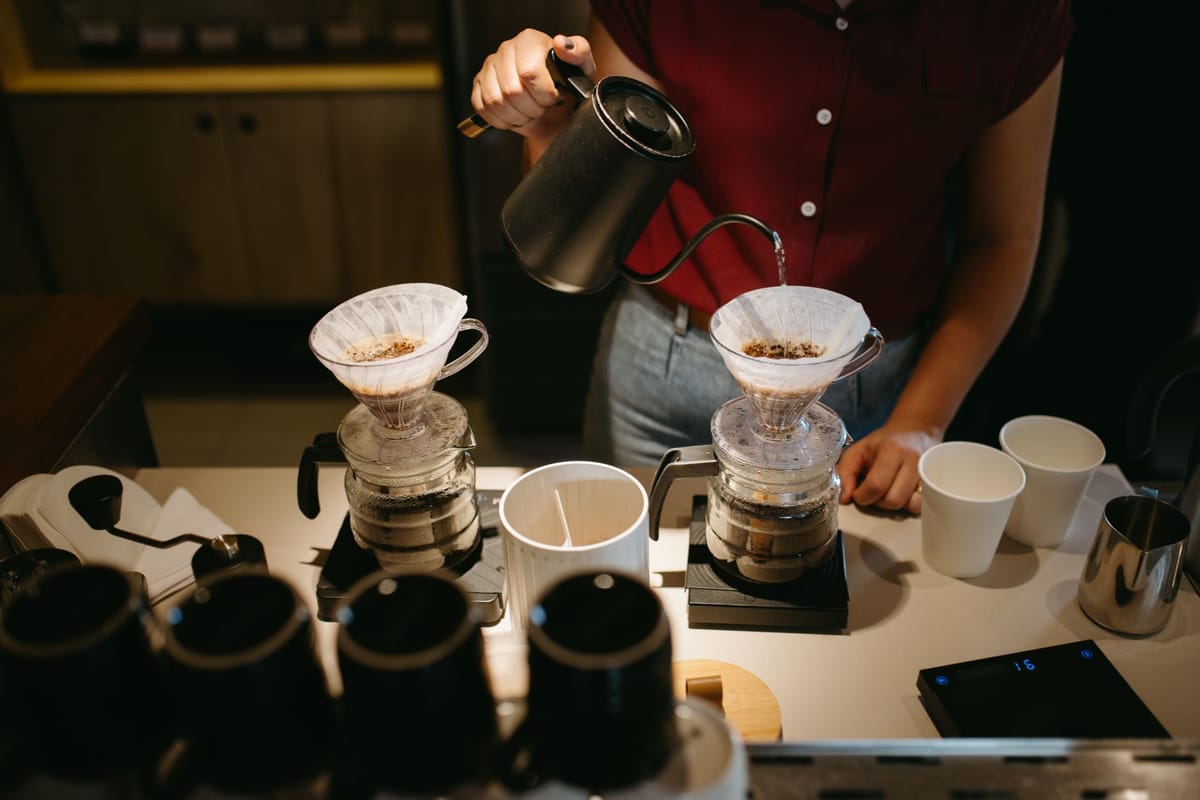
Water for coffee really does change the result: its taste and dissolved minerals contribute to what you perceive in the cup. There is no magic bottle that works for every bean and brew method. Start with drinkable water that tastes clean, then compare cups while changing only one variable at a time.
Why does water change coffee taste?
Water is not a neutral background. It combines with the coffee to make the drink and brings its own profile to the cup. Even when you do not drink it on its own, its taste and mineral content can influence what you notice in the brew. That is why the same coffee, prepared the same way, can taste different when the water changes.
This does not mean there is one perfect composition for every bean. Origin, roast, grind, and brewing method all matter; water is one variable to pay attention to, not a magic switch. In his guide to water for coffee, Lance Hedrick explains why minerals deserve attention when discussing flavor.
What is the best water for coffee?
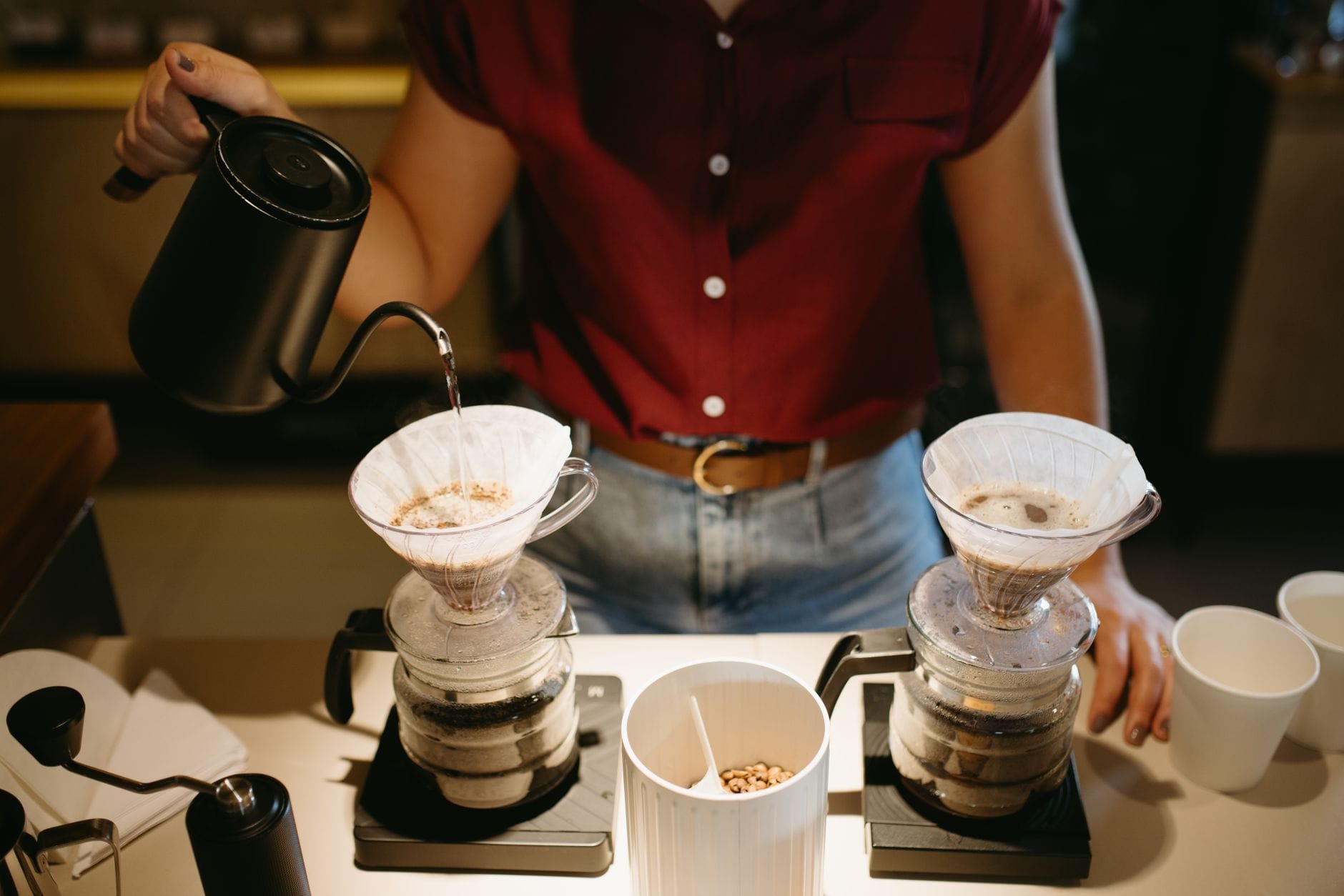
The best water for coffee is the water that makes a cup you enjoy with your beans and brewing method, without obvious off-flavors. Before checking labels or buying a filter, taste the water on its own. If you do not enjoy drinking it, it is unlikely to make a good base for a drink in which it is the main ingredient.
Once you have water that tastes clean, run a simple comparison. Brew the same coffee with the same dose, grind, and recipe, changing only the water. Taste the cups side by side and note the differences you can actually identify: perhaps one seems sharper, flatter, or more lingering. Do not immediately assign every sensation to a particular mineral. The comparison tells you whether that choice works for you, not which substance caused each nuance.
For espresso, the taste of the water does not replace diagnosing the extraction. If a shot tastes weak or watery, other factors may be involved. Our guide to watery espresso and its causes explains how to tell apart issues with ratio, flow, and puck preparation.
Tap or bottled water: which should you choose?
There is no universal answer. It depends on the water where you live, how it tastes, and the recommendations for your equipment. Tap water can be a practical choice if it tastes pleasant; bottled water gives you another option with characteristics listed on the label. Either way, a word such as “natural” or “light” is not enough to predict how the coffee will taste.
If you use a filter, follow the manufacturer's instructions and remember that its output may change with use. For a coffee machine, check the manual too: water and maintenance recommendations vary by model. Do not improvise a blend or treatment from an online recipe unless you know what you are adding and whether it is suitable for your machine.
If you switch between espresso and filter coffee, do not assume that one combination will taste equally good in every cup. The methods have different characteristics. Start with our overview of filter coffee vs espresso, then test water with the method you use most.
How can you tell if water is the problem?
Water is worth investigating when its taste is noticeable on its own, or when a controlled comparison changes the cup while everything else stays the same. Use a coffee you know, keep the equipment and recipe constant, and brew two cups with different waters. If you also change the grind or dose, you will not know which change made the difference.
Taste without rushing and look for specific impressions rather than an absolute score. One cup may seem more balanced, another brighter or less pleasant. Write down which water you used and how you brewed it. Repeating the comparison another time helps you see whether the difference is consistent or was just a one-off impression.
What mistakes should you avoid when changing water?
The most common mistake is changing too many things at once. If you switch water and also change the grind, dose, and recipe, a better cup will not tell you which change helped. Keep everything else constant, test one thing at a time, and do not chase numbers or promises of a “perfect” bottle.
Avoid judging water only by its price or a single word on the label. The useful evidence is how it tastes in your cup, brewed carefully with coffee you know. If your machine has specific instructions, follow those before experimenting: your choice needs to suit both your taste and your equipment.
A practical starting point: taste the water first, then brew two otherwise identical cups, changing only the water. If one tastes better to you, you have a sensible starting point for your coffee.
Join the Caffinity community
Explore exclusive discounts from specialty roasters, join the free chat on Discord, and find extra content and behind-the-scenes stories on Caffinity Premium.
I taste and break down a coffee on camera every week: subscribe to Angelo’s YouTube channel.
To practise tasting, start with our cupping guide.
Read next

Coffee grinder for espresso, moka and filter: what to look for
Manual or electric, ceramic or steel, stepped or stepless: Angelo’s video compares grinders and shows what to consider for your brewing method and daily routine.

Giannina moka pot review: Angelo brews three cups and one
Angelo tries the Giannina’s lever-operated closure and reversible filter, then tastes both serving sizes. A first look, not a head-to-head moka comparison.
Cappuccino without espresso machine: three ways to froth milk
A French press, handheld frother and bottle each make a different milk texture. Watch Angelo and Barbara try them, and see why you shouldn’t put milk in a moka pot.