
Common espresso mistakes: how to spot them at home
Changing everything at once, chasing shot time and judging spent pucks: recognise common home espresso mistakes and make comparisons you can learn from.

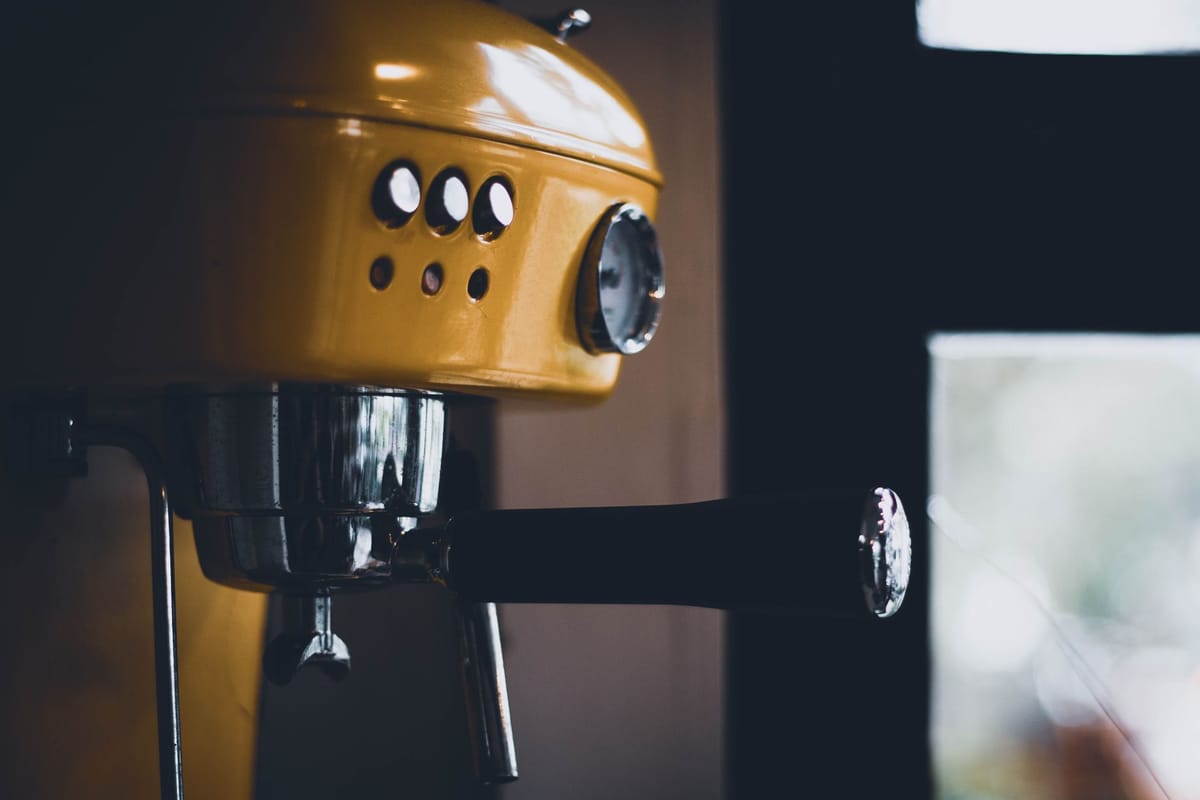
Common espresso mistakes are easier to spot when your preparation is repeatable: weigh the coffee and the finished drink, change one variable at a time and taste before deciding. You do not necessarily need another accessory. You need comparisons that tell you what happened, rather than another lucky shot you cannot reproduce.
Why does changing everything at once make espresso harder?
You cannot identify the useful adjustment if several things change together.
A shot disappoints you, so you grind finer, add more coffee and stop the next shot earlier. It tastes better. That is welcome, but which change helped? Without an answer, tomorrow's coffee becomes another guessing game. This is an easy trap when you just want a good drink before leaving the house.
Give yourself a starting record: the coffee, ground dose, beverage weight, grinder setting and observed shot time. Then add a short tasting note. A number rating is less useful than a description such as thin body and a sharp finish. You need enough detail to recognise what you want to improve.
Keep the same coffee while making your comparison. Opening a different bag creates a different question. If you are unsure about the beans themselves, our guide to assessing a coffee roaster explains what to look for beyond attractive packaging.
What should you check when espresso tastes watery?
Record dose and beverage weight before blaming the machine.
Do not rely only on the level in your cup. Write down the beverage weight and compare it with the previous attempt. If you cannot say how much coffee went into the basket or how much drink came out, the recipe is missing its reference points. A scale makes those choices explicit.
In Angelo's conversation with Federico Pinna about competition espresso, Federico declares a starting recipe, tastes the result and then discusses changes. That sequence is useful at home. Copying the settings of a different machine and coffee is not the point.
If a weak drink is your main concern, our watery espresso troubleshooting guide separates possible causes. Choose a check rather than applying every suggestion at once.
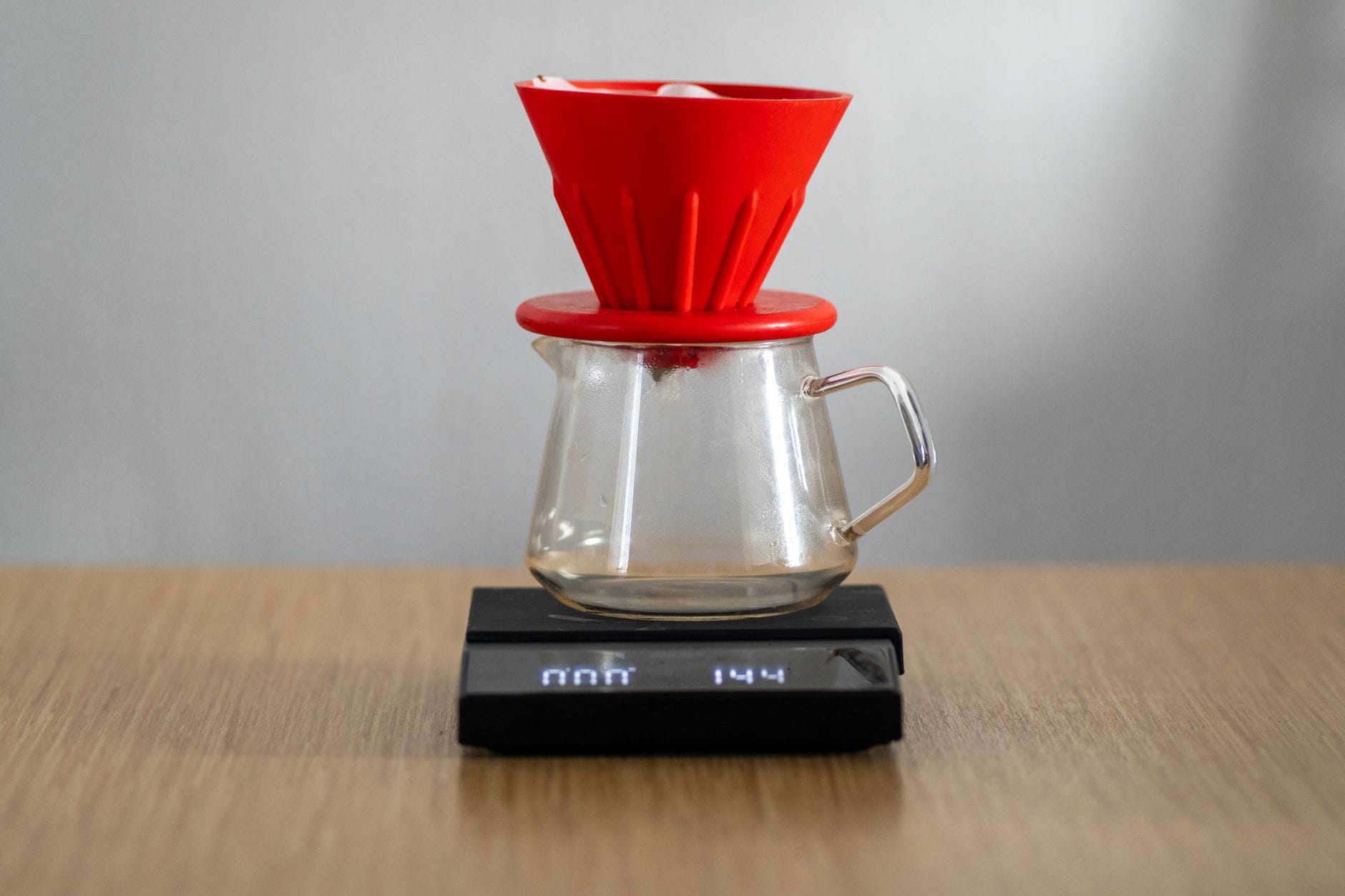
Why is shot time not a quality score?
Time is information about a recipe, not a substitute for tasting it.
With dose and beverage weight fixed, a finer grind generally slows the flow and a coarser grind speeds it up. Hitting a chosen time does not establish that the drink is good. In Barista Hustle's recipe approach, dose comes first, beverage yield second and time third.
Choose a timing convention and stick to it. Do not quietly compare a measurement from pump activation with one from the first drip. Put that convention in your notes so you can read your own results without reconstructing what you did.
Before another adjustment, ask which cup you preferred and what you would keep about it. The stopwatch cannot answer those questions. A pleasing drink does not need correcting merely because it missed a number you found online.
What can puck preparation and a spent puck tell you?
Uneven preparation can encourage uneven flow, but the used puck is not an automatic diagnosis.
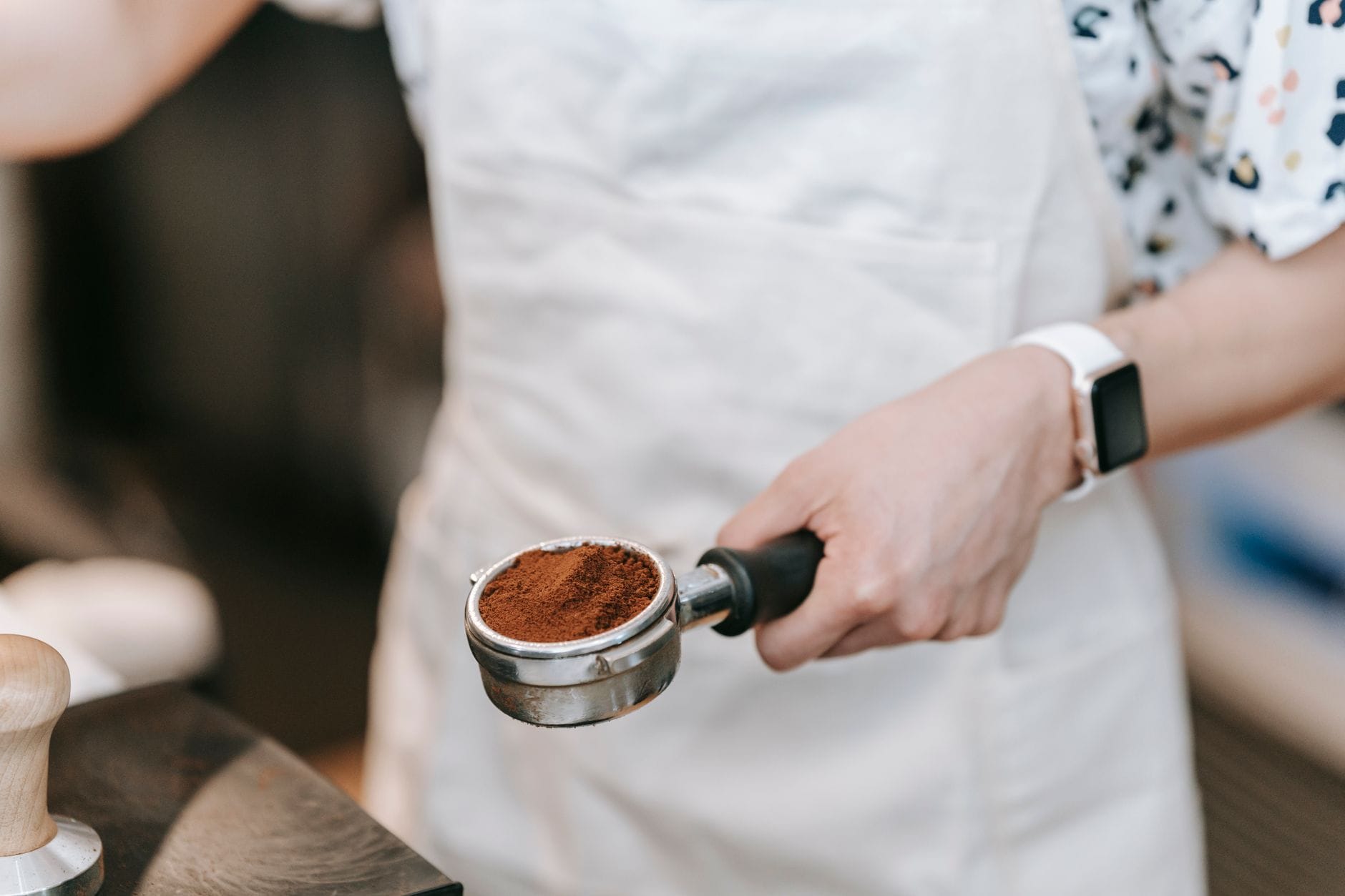
Poor distribution and a tilted tamp can encourage channelling, where water finds easier paths through the coffee. Spraying from a bottomless portafilter can flag trouble, but an attractive flow does not prove that everything went perfectly. Try making your preparation more consistent before adding equipment.
A wet puck is not proof of failure either. In Barista Hustle's spent-puck experiments, wetness and surface holes did not reliably indicate poor distribution or tamping. Do not change your dose just to produce a dry coffee disc.
How do you know whether an adjustment helped?
Prefer the taste, then check that you can reproduce it.
One successful cup is not enough to turn an adjustment into a rule. Repeat the preparation you liked before changing something else. If the results vary widely, revisit your routine and recorded measurements rather than declaring a final recipe.
- Write down the problem before brewing.
- Choose one change and keep the rest steady.
- Describe the taste rather than recording only numbers.
- If the new cup is better, try making it again.
Tomorrow morning, aim to repeat a cup you enjoy and understand how you made it. That is a more useful achievement than a perfect photograph of a portafilter.
Join the Caffinity community
Caffinity connects coffee enthusiasts with specialty roasters. Caffinity Premium includes enhanced partner-roaster discount codes, extra content and private Discord channels.
For Angelo's tests and tastings, subscribe to his YouTube channel. His videos are in Italian; where available, YouTube captions and auto-translation can help you follow them.
Tell us which mistake you recognised in your routine in the free Caffinity Discord chat.
Read next
Coffee grinder for espresso, moka and filter: what to look for
Manual or electric, ceramic or steel, stepped or stepless: Angelo’s video compares grinders and shows what to consider for your brewing method and daily routine.
Coffee deals on Telegram: we're sharing them on Amanti del Caffè
After our community poll, we’ll share Amazon offers on coffee machines, grinders and accessories on Amanti del Caffè on Telegram, ahead of Black Friday.
Lelit Anita review: how it compares with the Gaggia Classic Pro and Pavoni
An integrated grinder, a separate setup or a manual lever: Angelo compares the Anita, Classic Pro and Europiccola, and explains what his test can and can’t tell you.