
What makes a good coffee roaster? Look beyond the bag
Packaging is only the start. Assess a coffee roasting business through useful information, tasting, repeatability and support, without treating your preferences as universal rules.
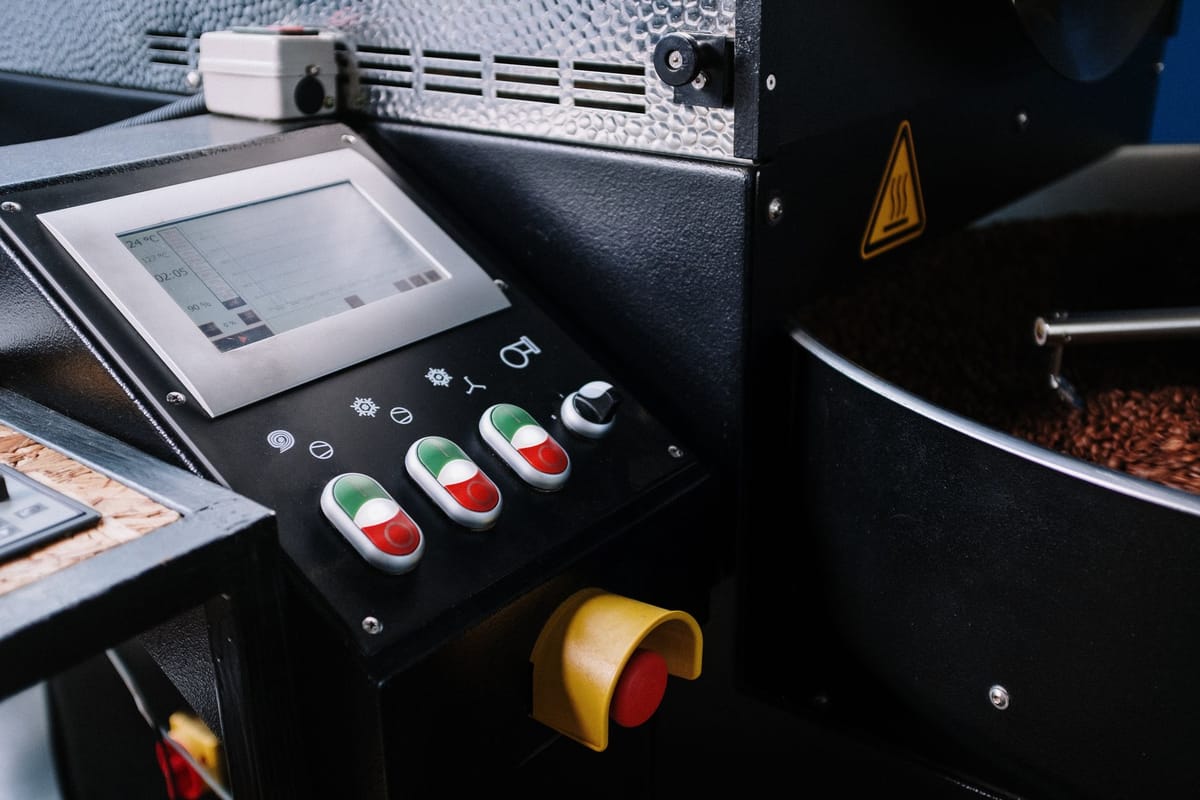
What makes a good coffee roaster? Look for clear product information, enjoyable coffee, repeatable results and advice you can use. Here, roaster means the business selling roasted beans, not the roasting machine. Attractive packaging or a prestigious origin cannot settle the question; disliking one coffee does not, by itself, prove that the business roasts badly.
Which coffee should you try before judging the roaster?
Start with something suited to your brewing method and preferences, not necessarily the most expensive bag in the catalogue.
If you make espresso and want a mellow cup, the most unusual lot may be a difficult introduction to the business. Ask which coffee suits your machine, grinder and experience. Useful advice explains differences and compromises instead of calling every option exceptional.
Your first purchase is a sample, not a verdict on the whole company. One bag cannot show how every lot performs. Before committing to a large order, choose an amount you can use and consider the total cost, including shipping.
Bean colour also needs context. Our comparison of light roast vs dark roast explains why colour should not become an automatic quality ranking.
What should a roaster tell you about the coffee?
Product information should help you identify and brew the coffee, not simply make you want it.
Look for a roast date, the stated origin, processing information where available and guidance on intended brewing methods. For a blend, look for an understandable explanation of its composition and expected cup profile. For a single lot, ask whether the details genuinely identify what you are buying.
Not every bag can offer the same depth of information. The goal is not to collect technical terms: it is to distinguish specifics from general claims. A sustainability statement, for example, becomes more useful when it explains what it covers and how you can check it.
Tasting notes describe a sensory experience; they do not promise ingredients in the drink. Failing to find strawberry on your first sip is not enough to prove the label wrong. Our guide to reading a specialty coffee label helps separate useful details from promotional language.
How do you separate flavour description from personal preference?
Describe what you perceive first, then record how much you enjoy it: those are different questions.
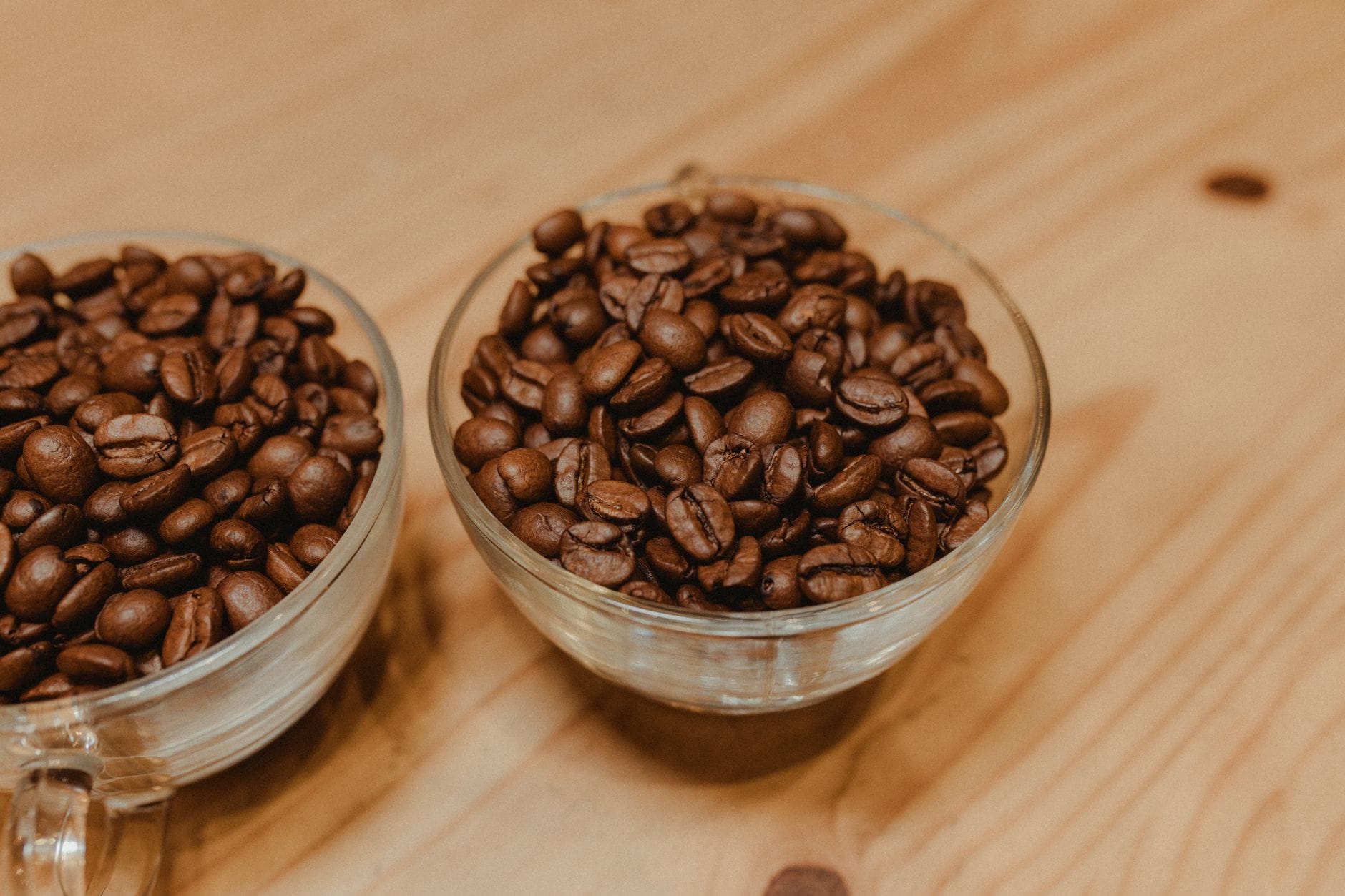
Use everyday language to note aroma, sweetness, acidity, bitterness, mouthfeel and aftertaste. Then add your personal response. Would you drink it daily? Is it enjoyable, tiring, or interesting but demanding? Good and bad alone tell you very little about the reasoning.
Separating description from an impression of quality is also a principle of the SCA's Coffee Value Assessment. You do not need a professional score sheet to adopt that habit. Equally, a home tasting does not become a certified assessment simply because you list sensory attributes.
In his public Bugan tasting, Angelo described a Kenyan coffee through elegance, sweetness and cup clarity, while acknowledging that he could not clearly identify the advertised ginger note. That is a useful example: you can appreciate a coffee without echoing every word on the bag. This is not a score for the roasting business, nor a claim about its current catalogue.
How can you make a fair comparison at home?
Repeat the tasting and record the brewing conditions before blaming every difference on the roaster.
Use your normal brewing method and start with any available guidance. Record the coffee, water, dose, beverage yield and grind setting. If the result disappoints, change one variable at a time. Changing everything may improve the drink, but it does not tell you why.
Do not impose one recipe on every coffee as a universal exam. It is also worth considering how much work you need to get an enjoyable cup with your equipment. A demanding coffee may suit someone who loves experimenting and be an awkward choice for someone who wants an easy routine.
Try again on another occasion. When you reorder, observe whether you recognise the promised profile. Different lots need not taste identical: look for coherence between description, intended use and the cup, while remembering how you stored the opened bag.
How much do support, price and transparency matter?
They matter when they make the purchase understandable and help you solve a real problem.
A simple question tests the service: this coffee tastes too acidic on my machine, where should I start? A useful answer asks how you brew and suggests a reasoned adjustment. Immediately blaming the customer is unhelpful, but so is promising an infallible recipe.
Compare price with what you actually want rather than treating it as a quality score. Consider quantity, delivery, clarity of the offer and enjoyment in the cup. A rare coffee you do not want to drink does not become a good purchase just because it is rare.
A practical next step: before switching roasters, write three short notes: what the product promised, what you tasted and what you tried changing. Send that information if you ask for support. Your judgement becomes more useful to you and fairer to the people producing the coffee.
On Patreon this week
For Premium members, Angelo wrote a follow-up on this topic, in Italian and English: Coffee roasters and tasting: my impressions of three Bugan coffees. The opening is free to read.
Join the Caffinity community
Discuss your tastings in the free Caffinity Discord chat. Caffinity Premium on Patreon offers extra content, behind-the-scenes material, enhanced partner-roaster discounts and private Discord channels.
For Angelo's practical tests and tastings, subscribe to his YouTube channel. His videos are in Italian; where captions are available, YouTube's subtitle settings offer automatic translation into English.
Read next
Coffee labels: 5 mistakes that make choosing harder
Unclear dates, vague origins and tasting notes presented as promises: five packaging problems to recognise, without inventing a ranking of roasters.
Specialty coffee roasters: getting to know the Caffinity network
Meet the idea behind Caffinity's roaster network: different coffees, open discussion and room for your own taste. A partnership is not a promise that every bag will suit everyone.

Coffee quiz: find a starting point, not a permanent taste label
Your taste profile should help you choose your next coffee, not tell you what you ought to enjoy. Here is how to turn a quiz result into a useful starting point.