
How to make espresso at home: Angelo’s dose-to-cup routine
A warm machine, a dry basket and a scale: follow Angelo’s espresso routine, starting with 15 g of coffee and 30–32 g in the cup.

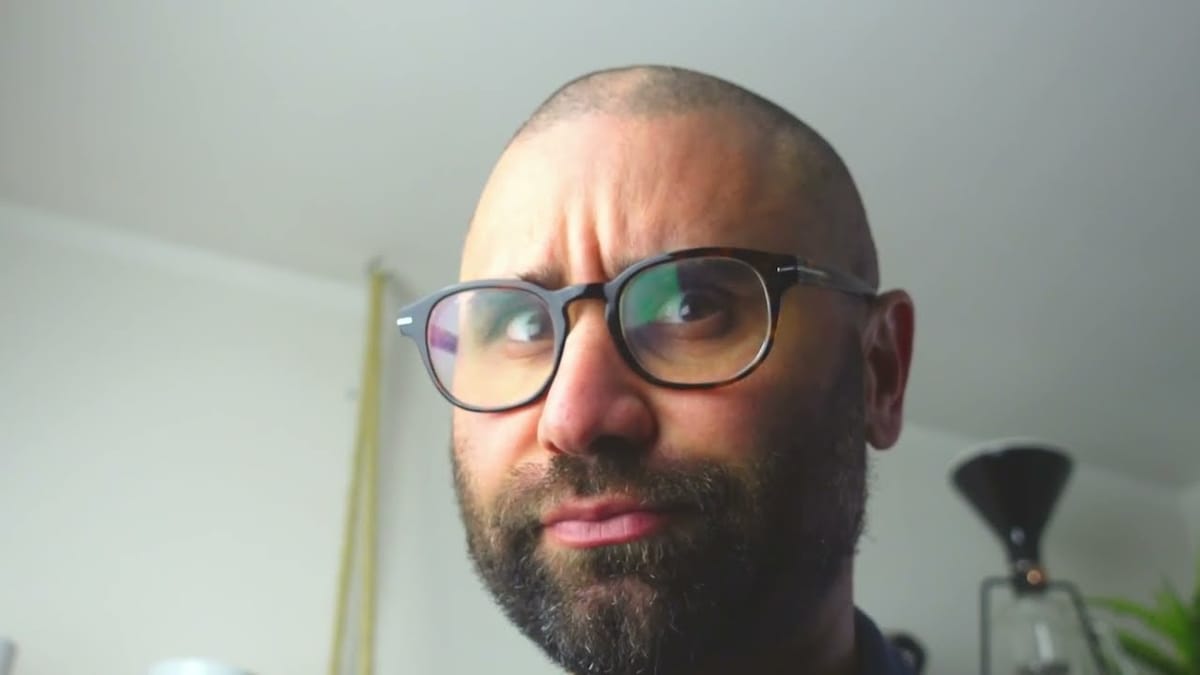
To learn how to make espresso at home, start with a routine you can repeat: warm up the machine, use a clean, dry basket and weigh the coffee. Angelo starts with 15 g in and about 30–32 g out in 25–30 seconds. The video is in Italian; to get English subtitles, select CC, Settings, Subtitles, Auto-translate, then English on YouTube.
How to get the machine ready for espresso
Let the portafilter heat up with the machine, and get a clean basket ready before you grind. In the video, Angelo waits until the portafilter is hot. If you switch on the machine and pull a shot straight away, it’s harder to repeat the same preparation.
Angelo’s routine is simple: fill the water tank, switch on the machine, let it warm up, then run a little water through the shower screen. He flushes before making espresso and between shots to clear residue from the previous coffee.
Wipe the basket dry before adding the grounds. Flushing is part of the daily routine; the machine also needs cleaning suited to its design. If you have a Dedica, our De'Longhi Dedica EC685 guide covers preparation and care for that machine.
How much coffee should you use for espresso?
Choose a dose that fits your basket. Angelo’s 15 g recipe uses a double basket. If you see the shot collected in one cup, the number of cups under the basket can be confusing, but it doesn’t change how much coffee goes into the portafilter.
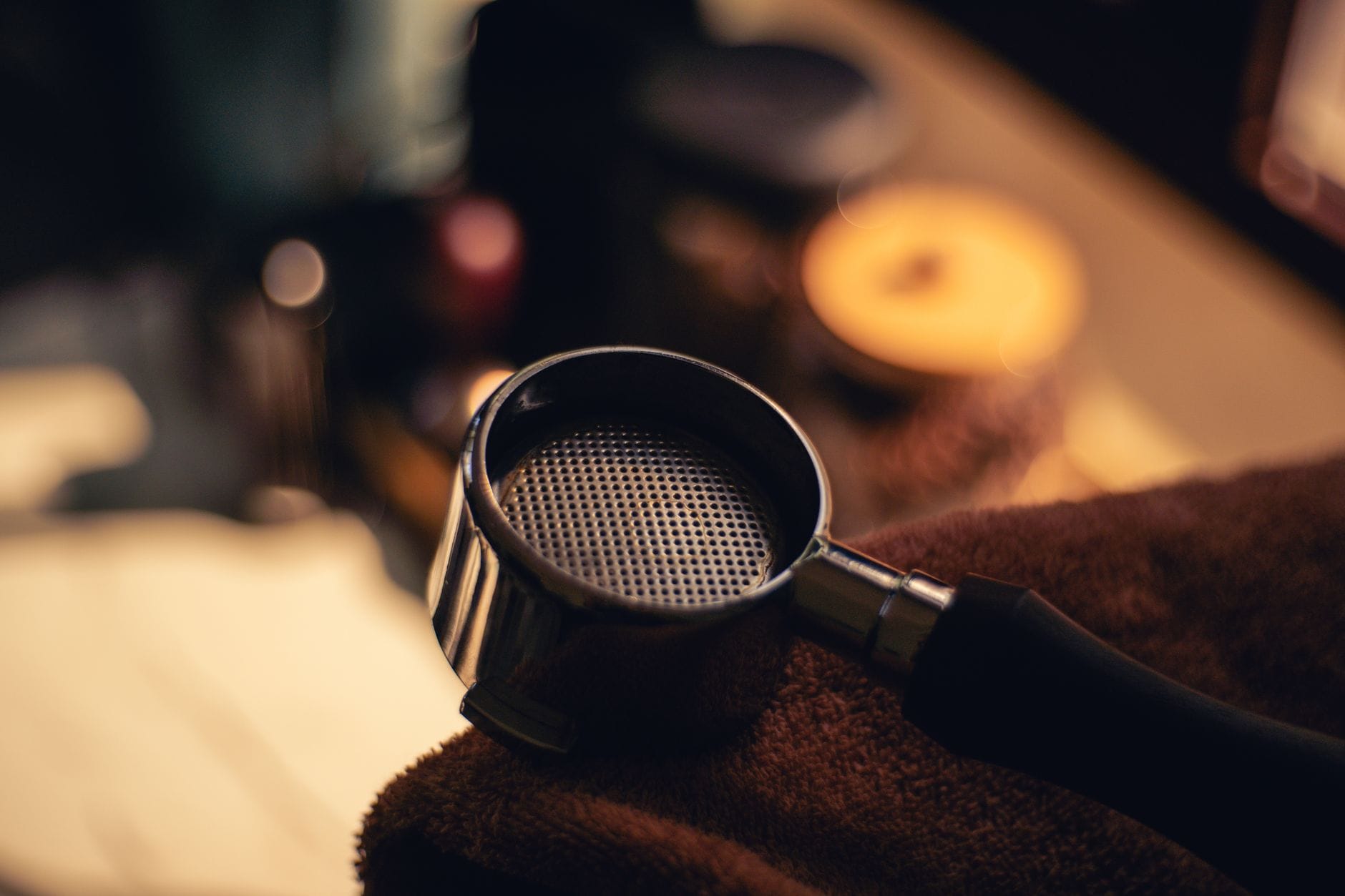
Angelo uses a bottomless portafilter so you can see the extraction on camera. You can weigh your coffee with a regular portafilter; there’s no need to buy a bottomless one.
Set the portafilter on your scale, tare it, then weigh the grounds. Once you’ve picked a dose that fits, keep it steady while you compare shots. Filling the basket by eye makes it harder to tell why the next coffee tastes different. If you want to use a single basket, read our single basket espresso guide. Halving a double dose won’t give you the same extraction in a different basket.
How to prepare the grind and tamp
The espresso in the video uses a fine grind. Angelo adjusts it by watching the extraction and tasting the coffee. He shows grounds finer than moka grind, but doesn’t give a grinder setting that everyone can use.
Spread the grounds around the basket before tamping. Angelo uses small taps to move coffee away from the piled-up spots, then tamps. If one side has a mound and the other a hollow, the bed of coffee won’t be even.
Even grounds and a level tamp help make extraction more consistent. The Barista Hustle Espresso Compass also recommends even distribution and a flat tamp. Try to prepare each shot the same way. Then, if the taste changes, you have fewer variables to check.
How long should an espresso shot take?
Angelo aims for about 30–32 g in the cup in 25–30 seconds, starting with 15 g of coffee. Those numbers are for his preparation. A different coffee, basket or machine may call for a different recipe.
Put the cup on the scale and tare it before brewing. Watch the weight as the espresso flows and stop when you reach your chosen yield. Cup markings are less precise: crema takes up space, and the amount varies from coffee to coffee.
Note the dose, drink weight and time, then taste the shot. If you like it, try to repeat it. If it tastes weak or runs too quickly, our watery espresso guide can help you work out what to change. Shot time gives you a reference; taste helps you settle on a recipe.
What to look for when ordering espresso
Notice how the equipment is cared for and what happens between shots. In the last part of the video, Angelo points out flushing the shower screen and coffee residue building up in the grinder.
He also mentions a doser full of ground coffee when the café is quiet. At home, grind for the drink you’re making and keep your tools clean. In a café, these details give you something concrete to ask about; a quick glance won’t tell you everything about how the place works.
For your next shot, follow the whole routine and note the weights. Make it the same way once more before adjusting anything, so you can compare it with the coffee you just tasted.
On Patreon this week
For Premium members, Angelo wrote a follow-up on this topic, in Italian and English: Home espresso: why I drink doubles. The opening is free to read.
Join the Caffinity community
Caffinity brings together people who enjoy making and tasting coffee. Join the free Discord chat and share your recipe. Include the coffee, dose and drink weight so others can follow your preparation.
Caffinity Premium on Patreon has extra material, behind-the-scenes content, enhanced discounts with partner specialty roasters and private Discord channels.
For more demonstrations and coffee tests, subscribe to Angelo's YouTube channel. His videos are in Italian; you can follow along in English with YouTube’s subtitles and auto-translate options.
Read next
Coffee grinder for espresso, moka and filter: what to look for
Manual or electric, ceramic or steel, stepped or stepless: Angelo’s video compares grinders and shows what to consider for your brewing method and daily routine.
Coffee deals on Telegram: we're sharing them on Amanti del Caffè
After our community poll, we’ll share Amazon offers on coffee machines, grinders and accessories on Amanti del Caffè on Telegram, ahead of Black Friday.
Lelit Anita review: how it compares with the Gaggia Classic Pro and Pavoni
An integrated grinder, a separate setup or a manual lever: Angelo compares the Anita, Classic Pro and Europiccola, and explains what his test can and can’t tell you.