
Specialty coffee roasters: getting to know the Caffinity network
Meet the idea behind Caffinity's roaster network: different coffees, open discussion and room for your own taste. A partnership is not a promise that every bag will suit everyone.
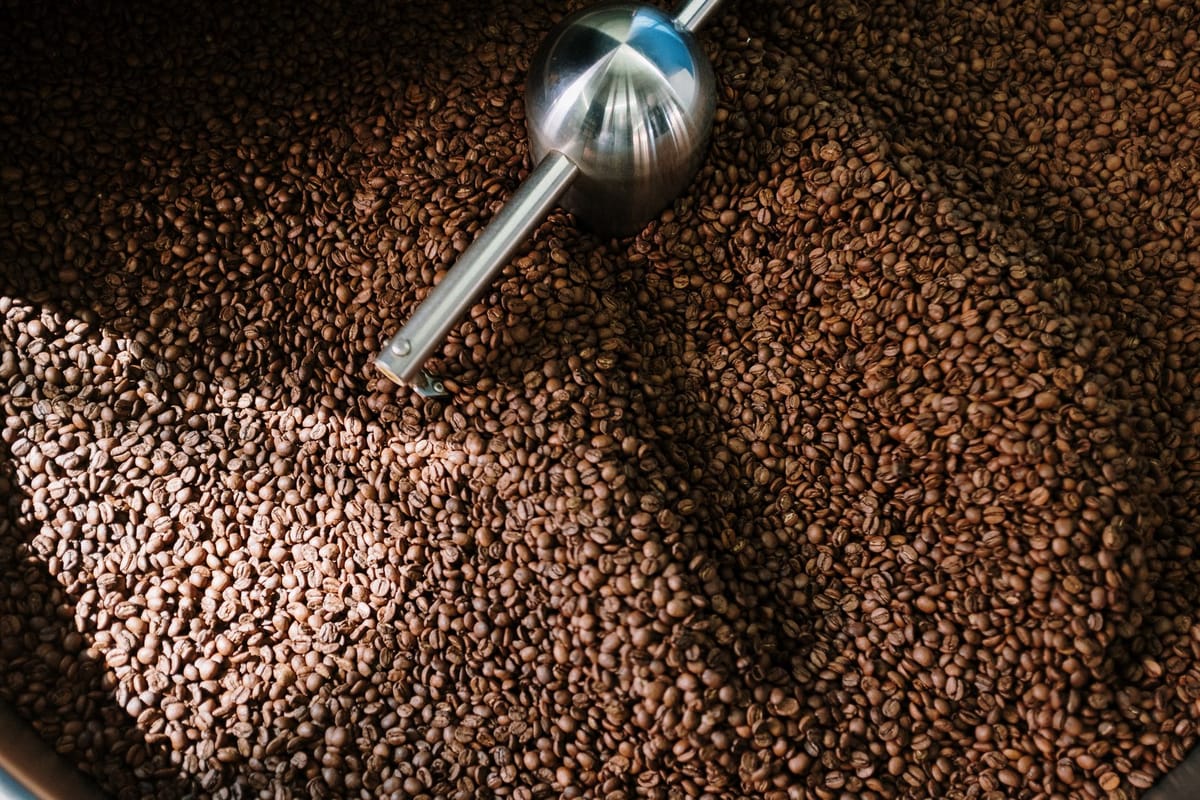
The specialty coffee roasters in Caffinity's network are an invitation to explore different coffees, not a league table of what you ought to enjoy. The project connects people who roast coffee with people who brew it at home. The useful question is which coffee you want to get to know next.
How does Caffinity choose its partner roasters?
Caffinity describes a hands-on project: Angelo selects roasters and tastes the coffees they send, discussing what he likes and what he does not.
The project website asks interested roasters for a short introduction and coffees to taste. Its FAQ emphasises transparency and a willingness to share their story. Think of this as a meeting between roaster and drinker, not a universal ranking.
For your own exploration, start with one specific coffee. What would you like to learn from it? Look at the information available, consider how you want to brew it and decide what makes you curious. A roasting business has more to offer than its name on a bag, but you do not have to discover its entire range at once.
Where can you find the partner roasters?
Use the partner section on the Caffinity website as your current reference before choosing a coffee.
Treat the list as a map rather than a podium. Browse the individual pages and ask what kind of experience you want next. Would you prefer something close to your usual coffee, or a deliberate change? Are you choosing for a quick morning espresso or a tasting where you can take your time?
Our guide to reading a specialty coffee label can help you turn the information on a bag into questions for the roaster. Use it as a conversation starter, not an automatic scoring system. If something is unclear, asking is more useful than guessing.
Should you like every coffee from a partner roaster?
No: approach a partnership as an introduction to a business, not an obligation to enjoy everything it sells.
In your tasting notes, keep two questions separate: what do I notice, and how much do I enjoy it? Writing only “good” or “bad” gives you little to work with when you choose the next bag. Try everyday descriptions instead: an inviting smell, a finish you would like to find again, or a flavour that feels too intense for your taste.
You do not have to prove that you have the right palate. If a coffee is not for you, explain what you hoped to find and what you actually experienced. The coffee quiz as a starting point offers another way into that conversation. Treat the result as a suggestion to explore, not a permanent label you need to defend.

How can you compare coffees without picking a winner?
Decide what you want to learn before you start, then keep the comparison simple enough to describe.
Start with two coffees and make a note of their names, your brewing method and your impressions. If you want a structure to follow, explore the Caffinity cupping guide. Your kitchen table does not have to become a competition venue. Choosing what you want to drink tomorrow is a worthwhile result in itself.
- Write down what you expected before tasting.
- Describe the cup in your own words rather than trying to find every note on the label.
- Record what you would enjoy again and what you would change.
- When you share the experience, explain how you brewed the coffee too.
Bring an experience to the discussion, not a verdict on the whole business. “This was not for me because I wanted something different” leaves room for a much more useful exchange than dismissing a roaster outright. It also gives someone with different preferences a chance to explain why that same coffee works for them.
Join the Caffinity community
Explore Caffinity Premium for extra content, behind-the-scenes material, private Discord channels and member benefits, including specialty roaster discounts. Check the membership page for current details. The community is Italian-led; do not assume that every video or Premium post is available in English.
To follow Angelo's tests and explanations, subscribe to his YouTube channel.
For your next tasting, pick one question you would like to answer and bring your notes to the free Discord chat. Getting to know a roaster can start with a useful conversation, without awarding anyone a medal.
Read next
Coffee labels: 5 mistakes that make choosing harder
Unclear dates, vague origins and tasting notes presented as promises: five packaging problems to recognise, without inventing a ranking of roasters.

Coffee quiz: find a starting point, not a permanent taste label
Your taste profile should help you choose your next coffee, not tell you what you ought to enjoy. Here is how to turn a quiz result into a useful starting point.
What makes a good coffee roaster? Look beyond the bag
Packaging is only the start. Assess a coffee roasting business through useful information, tasting, repeatability and support, without treating your preferences as universal rules.