
How to Read a Specialty Coffee Label: A Practical Guide
Roast date, origin, processing method, variety, altitude, and tasting notes: learn to read a specialty coffee label without getting distracted by marketing.

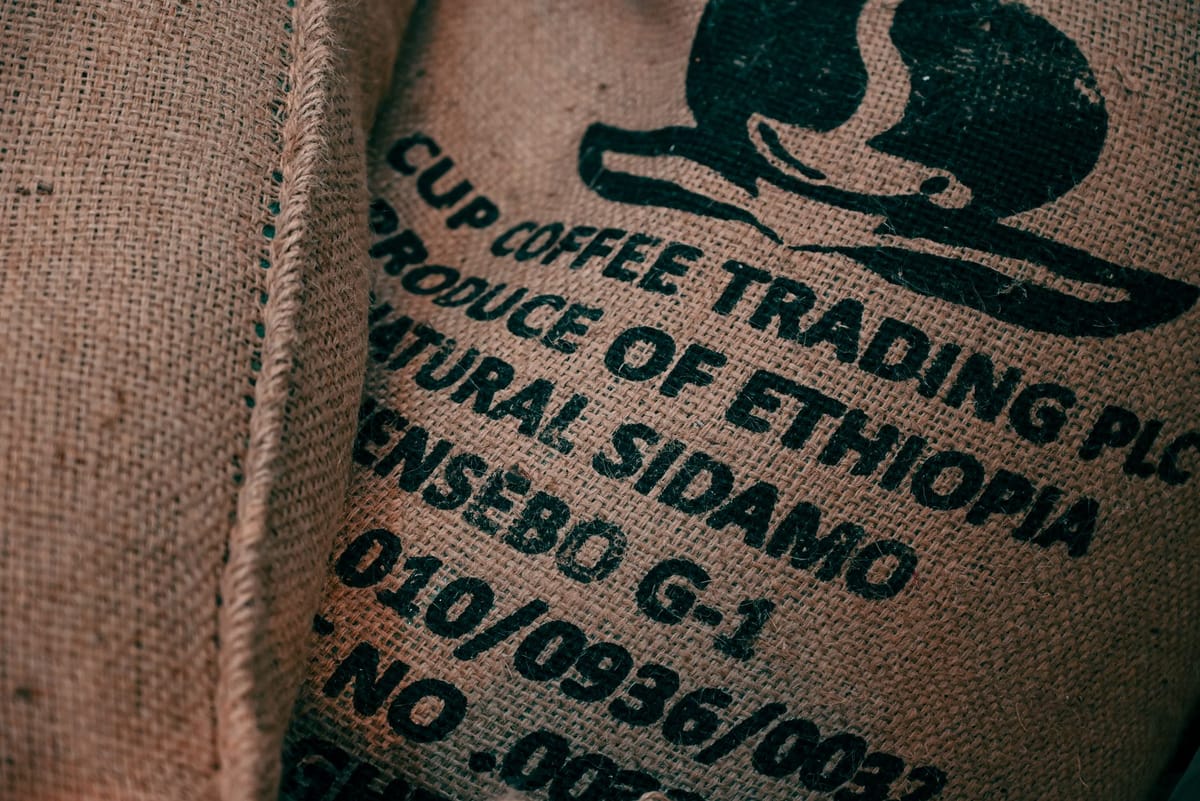
A specialty coffee label helps you judge a bag by giving you practical clues: start with the roast date, origin, and process, then treat variety, altitude, and tasting notes as context rather than guarantees. Taste the coffee to see whether those details match what is in the cup.
The point is not to find the bag with the most words on it. Use the label to form a reasonable expectation, then see whether the cup delivers on it.
Start with the roast date and roast profile
The roast date tells you when the coffee was transformed from green to roasted. It is not the same as the best-before date: that belongs to the product's commercial and food information, while the roast date is the more useful reference for following how its aromas develop.
Do not turn it into an absolute countdown, though. Coffee, roast, packaging, and brewing method all affect how the coffee settles and ages. Use the date to compare bags and plan your purchases, not to automatically reject a coffee without tasting it.
Next, look at the roast profile, if it is listed. “Light,” “medium,” and “dark” are easy-to-understand categories, but they are not perfectly consistent from one roaster to another. Sensory research does show that roast degree is one of the main factors that changes the cup profile. In general, lighter roasts let floral, fruity, and acidic characteristics come through more easily, while darker roasts lean toward roasted, bitter, and burnt sensations. That is a direction, not a guarantee.
Read origin as a scale of detail
“Ethiopia” or “Colombia” is a starting point, not a complete description. A label may get more specific and name a region, district, cooperative, washing station, farm, producer, or single lot. The more specific the information, the more you can understand where the coffee comes from and, over time, recognize what you like.
That does not mean a farm name alone guarantees a better cup. It means there is more traceability. The distinction matters: transparency lets you ask questions and make comparisons, but quality still has to be judged by tasting.
If you often buy specialty coffee, keep a simple note: coffee name, specific origin, roaster, and impression in the cup. After a few purchases, you will spot patterns that are far more useful than a generic ranking of coffee-producing countries.
Processing: a strong clue, not a verdict
Washed, natural, honey, anaerobic: the post-harvest process describes what happens to the cherry and seed before the green coffee is ready for export and roasting. Wet and dry processing are two traditional families. Honey processing, low-oxygen fermentation, and other hybrid protocols make the picture much broader.
Processing matters because microbial activity, seed metabolism, drying, and operating conditions contribute to the formation of aroma precursors. But two coffees carrying the same process label can taste very different. Variety, location, temperature, equipment, and how the process is managed all affect the result.
Use the process as an initial filter when choosing. If you enjoy clean, clear profiles, you might start with washed coffees. If you are looking for fruitier or more fermentative character, explore naturals and experimental processes. Then taste without forcing the coffee to fit the stereotype.
Variety and altitude: details that need context
Bourbon, Caturra, SL28, Gesha: the variety identifies the plant material. Varieties differ in agricultural traits, adaptability, and quality potential, but the name alone does not predict flavor. World Coffee Research notes that environment, altitude, soil nutrition, climate, plant age, and farming practices all affect yield and quality.
Altitude should be read in the same way. It tells you something about where the coffee was grown and can help put the variety in context; it is not a score. “Higher” does not automatically mean “better,” because altitude interacts with latitude, microclimate, and farming practices.
The useful combination is variety plus specific origin plus altitude. On their own, these are clues. Together, they begin to tell you about the lot.
Tasting notes are not ingredients
“Peach, jasmine, chocolate” does not mean that peach, flowers, or cocoa were added to the bag. In tasting language, these are comparison terms: they describe aromas that remind you of familiar references. The SCA defines flavor as the combined experience of taste and smell, and uses lexicons and flavor wheels to make descriptions more consistent and easier to share.
Think of tasting notes as a map, not a checklist. If you read “citrus,” you might pick up lemon, orange, a general bright acidity, or none of those. Water, recipe, grind size, and personal sensitivity all change how you read the cup. If an espresso tastes thin, this guide explains the causes of watery espresso and how to fix them.
Instead, be wary of descriptions that say only “premium,” “intense,” or “smooth” without giving an origin, process, or other verifiable details. They are not necessarily false, but they do little to help you understand what you are buying.
A final check before you buy
When you have the bag in front of you, follow this order:
- Roast date: is it there and easy to read?
- Origin: does it stop at the country, or give a region, producer, or lot?
- Process: is it clearly stated?
- Roast profile: does it suit the method you want to use?
- Variety and altitude: do they add context, or are they being used like medals?
- Tasting notes: do they make you curious, knowing they are descriptors rather than promises?
Here is a simple practical tip: choose one variable to explore at a time. For example, buy two coffees from different origins with similar processing, or two coffees with different processes from the same origin. Brew them with the same recipe and note what changes. The label becomes useful when you connect it to your own experience.
Join the Caffinity community
Caffinity members get exclusive discounts from specialty coffee roasters. Bring a label to the free Caffinity chat on Discord and compare notes with people who work with coffee every day. Caffinity on Patreon has more tastings and practical discussions without brochure-style language. To train your palate, start with the cupping guide, and subscribe to Angelo's YouTube channel for his weekly coffee tastings and breakdowns.
Sources
- Specialty Coffee Association: “Interpreting Attention: Using Eye-Tracking Technology to Understand How Coffee Labels Influence Consumer Choice”
- Specialty Coffee Association / Coffee Science Foundation: “Sensory Analysis of Full Immersion Coffee”
- Specialty Coffee Association: “The Fermentation Effect”
- World Coffee Research: “About the Coffee Varieties Catalog”
- Specialty Coffee Association: “Coffee Decoded: Smellwords”
- CBI: “Entering the European market for roasted coffee”
Read next

Coffee grinder for espresso, moka and filter: what to look for
Manual or electric, ceramic or steel, stepped or stepless: Angelo’s video compares grinders and shows what to consider for your brewing method and daily routine.

Giannina moka pot review: Angelo brews three cups and one
Angelo tries the Giannina’s lever-operated closure and reversible filter, then tastes both serving sizes. A first look, not a head-to-head moka comparison.
Cappuccino without espresso machine: three ways to froth milk
A French press, handheld frother and bottle each make a different milk texture. Watch Angelo and Barbara try them, and see why you shouldn’t put milk in a moka pot.