
Supermarket coffee beans review: Pellini, Lavazza, Vergnano and Illy
Four supermarket coffees, one espresso recipe and different results. Angelo’s tasting helps separate balance, body and aftertaste from claims on the packaging.

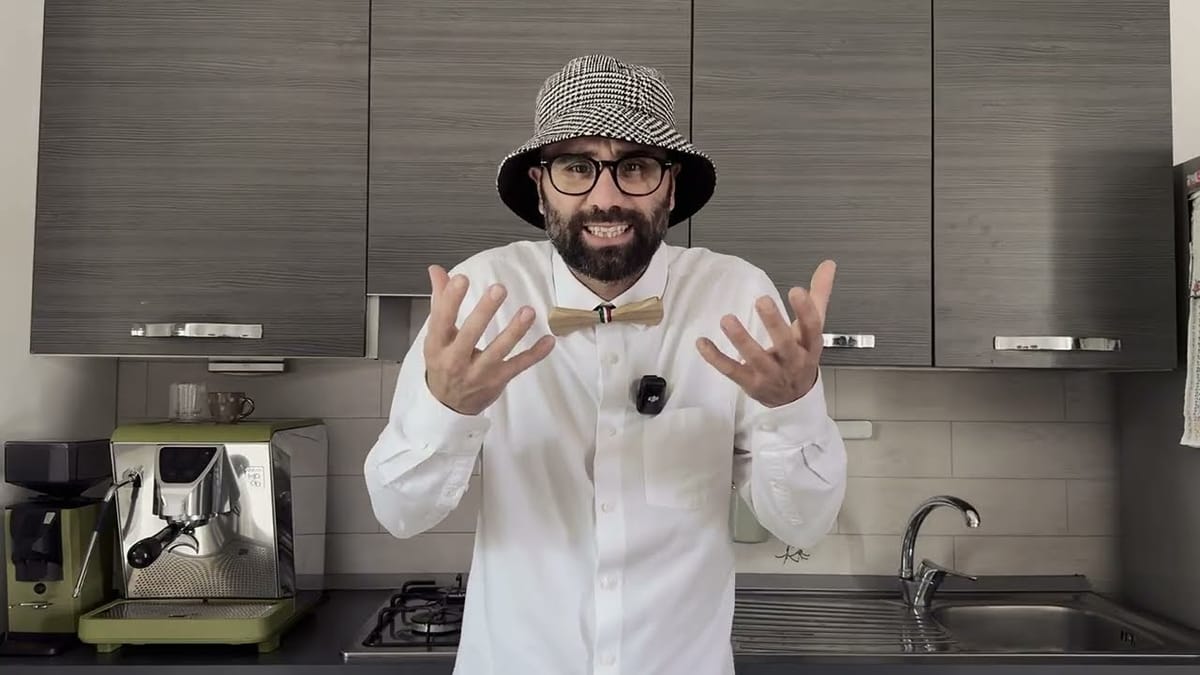
This supermarket coffee beans review compares balance, body and aftertaste: crema and packaging intensity scores cannot choose your espresso for you. Angelo tests Pellini, Lavazza, Vergnano and Illy using one recipe. The video dates from October 20, 2024, not a current product survey. It is in Italian; on YouTube, use CC and Settings, Subtitles, Auto-translate, English.
Which supermarket coffee beans are best?
Pellini stands out for balance in this tasting, but the best choice depends on what you want from your cup. A full-bodied espresso, a clean finish and a coffee that works with milk are different priorities. A ranking without those priorities tells you less than the tasting notes.
The coffees are Pellini n. 9 Cremoso, Lavazza Crema e Gusto, the Vergnano described in the video as aromatic and balanced, and Illy Classico. These observations concern the packs tasted in 2024. They do not establish how every batch, format or brewing recipe performs. The transcript does not identify the exact Vergnano blend name confidently enough to add one.
How were the supermarket coffee beans tested?
Angelo uses 15 g of ground coffee to produce 30-32 g of espresso in 25-30 seconds, keeping equipment and water the same. This is the recipe used in the video, not a requirement for every espresso machine.
One shared recipe makes differences easier to compare within that setup. It does not find the best possible setting for each coffee. A blend might suit you better after adjustment. Angelo explicitly describes the results as a snapshot of those particular shots, judged within the commercial-coffee market rather than against specialty coffees.
If your espresso tastes weak at home, check the brewing variables in our guide to watery espresso and how to fix it before replacing the beans. Our guide to water for coffee also helps you avoid changing water, beans and recipe all at once.
Pellini, Lavazza, Vergnano and Illy: what do they taste like?
The main differences are sweetness versus bitterness, mouthfeel and the flavours left after swallowing. These are Angelo’s reported sensations in the test, not guaranteed properties of the brands.
Pellini n. 9 Cremoso: balance and liquorice
Angelo finds sweetness and bitterness well balanced, with no perceptible acidity. The aroma suggests chocolate, cocoa, toast and possibly spice. In the cup, liquorice and nuts dominate, with a little cocoa. An important positive is that he does not detect burnt or ashy flavours.
The body is medium and not especially rounded, but neither dry nor astringent. Liquorice lingers in the aftertaste. His rating falls between 7 and 7.5: a personal impression of this preparation, not a certification or a universal score.
Lavazza Crema e Gusto: more body, bitterness first
Angelo describes the fullest body among the coffees tasted up to that point: rounded and intense, but also somewhat powdery. Bitterness arrives before sweetness, while acidity is not perceptible.
Chocolate and bitter cocoa lead, alongside spicy wood, toast and a little burnt flavour. The finish is long and leans towards bitter chocolate. This profile may interest someone who prioritises fullness, but fullness is not the same as a cleaner finish.
Vergnano: a velvety body with some negative notes
The Vergnano balances sweetness and bitterness, with a touch of acidity towards the finish. Angelo describes milk chocolate, cocoa and nuts, along with a burnt note and a suggestion of ash in the aftertaste.
The medium, velvety body is its most interesting feature for him. He suggests it could work well in a cappuccino. That is a pairing suggestion made during the espresso tasting, not the outcome of a comparative milk-drink test.
Illy Classico: more acidity, not automatically a cleaner cup
Illy is the 100% arabica coffee in this group. Angelo observes a visually uniform roast and thinner crema. Acidity arrives first, followed by sweetness and bitterness, with almond, nuts, chocolate and cocoa.
He does not detect burnt flavour during the sip, but notices ash, wood and spice in the aftertaste. The body is medium-light, with powdery mouthfeel and a dry sensation. The 100% arabica label therefore cannot replace tasting: it does not automatically identify his favourite cup in this comparison.
Which supermarket coffee is best for cappuccino?
Angelo singles out the Vergnano as a potentially interesting match for milk because of its velvety body. Since no cappuccino comparison is performed, it would be misleading to call it the winner for milk drinks.
If you usually drink coffee with milk, taste the beans in the drink you actually make. Note whether the coffee remains noticeable, whether you enjoy the bitterness and whether the finish is pleasant. A shot that seems intense on its own may leave a different impression in a cappuccino.
How can you compare coffee without trusting the packaging?
Write down what you taste instead of deciding everything from a score or the thickness of the crema. Start with two coffees and keep preparation as consistent as possible, recording both the dose and the beverage weight.
- Taste first: do sweetness, bitterness and acidity feel balanced to you?
- Then body: does the coffee feel full, velvety, light or powdery?
- Finally aftertaste: what remains, and does it make you want another sip?
If someone can help, repeat the comparison without seeing the packs. You do not need to identify every flavour Angelo describes. The point is to separate your preferences from what the packaging suggests. The Caffinity cupping guide can help you practise describing coffee, although cupping uses a different brewing method from espresso.
Join the Caffinity community
Discuss your own tasting in the free Caffinity Discord chat. Start with a specific sensation rather than just a brand name: that makes the comparison useful to other coffee drinkers.
Caffinity Premium on Patreon offers extra content and behind-the-scenes material, enhanced discounts with partner specialty roasters and members-only Discord channels.
For more practical tastings and comparisons, subscribe to Angelo’s YouTube channel. The videos are in Italian; YouTube’s automatic subtitle translation can help you follow them.
Read next

Coffee grinder for espresso, moka and filter: what to look for
Manual or electric, ceramic or steel, stepped or stepless: Angelo’s video compares grinders and shows what to consider for your brewing method and daily routine.
Coffee deals on Telegram: we're sharing them on Amanti del Caffè
After our community poll, we’ll share Amazon offers on coffee machines, grinders and accessories on Amanti del Caffè on Telegram, ahead of Black Friday.
Lelit Anita review: how it compares with the Gaggia Classic Pro and Pavoni
An integrated grinder, a separate setup or a manual lever: Angelo compares the Anita, Classic Pro and Europiccola, and explains what his test can and can’t tell you.