
Cappuccino without espresso machine: three ways to froth milk
A French press, handheld frother and bottle each make a different milk texture. Watch Angelo and Barbara try them, and see why you shouldn’t put milk in a moka pot.

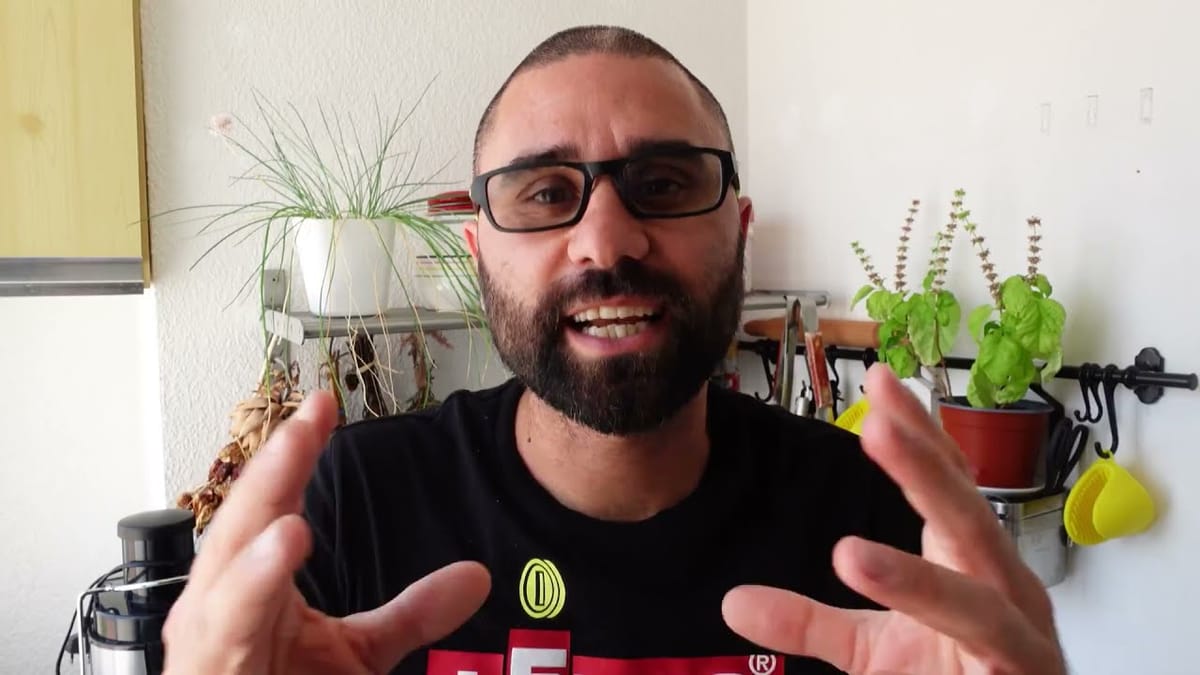
For a cappuccino without espresso machine, froth milk with a French press, handheld frother or bottle, then add separately brewed coffee. Angelo and Barbara compare the three methods in their 2021 video. It’s in Italian; to watch with English subtitles, turn on CC, then choose Settings, Subtitles, Auto-translate, English on YouTube.
How do you make cappuccino at home without a machine?
Brew the coffee separately, froth the milk, then bring them together in your cup. A moka pot is one way to make the coffee. It won’t taste like a café cappuccino made with espresso: the coffee base and the way you froth the milk both shape the drink.
Angelo starts by warming the milk. For the French press and handheld frother, use a vessel made for hot liquids and leave enough room to work without spilling. For the bottle method, don’t seal and shake hot milk in an improvised container. You can try cold milk instead, though the drink will be cooler.
Add the milk a little at a time and taste as you go. If it takes over the coffee, use less next time. The video doesn’t give a standard recipe with exact milk quantities and temperatures, so there’s no need to make up numbers. Watch the milk as you froth it: a big pile of foam and a smooth, pourable texture aren’t the same thing.
How do you make cappuccino foam with a French press?
Start with broad plunger strokes to work air into the milk. Then use shorter strokes just below the surface. That’s the sequence Angelo describes for getting a glossy, more elastic texture.
It’s tempting to keep pumping with the same wide strokes until the vessel looks full. In the video, the second stage is about working the texture after adding air. Watch the plunger: the strokes get shorter and stay below the surface instead of repeatedly breaking through it.
Angelo explains the same point in the comments. He says those shorter strokes in the second stage help make the foam more elastic. If you already have a French press that can handle warm liquids, you can try the technique without making room for another appliance.
How do you froth milk with a handheld frother?
Hold the frother head near the surface at first to work in air. Then move it towards the centre, below the surface, to refine the texture. In the demonstration, Angelo keeps this second stage brief.
This is Angelo’s favourite of the three methods because he can control the milk’s texture. Where you hold the frother matters: near the surface, it keeps drawing in air and increasing the volume. Once you have enough foam, move it below the surface and watch how the milk changes.
Angelo also recommends using a milk pitcher. The spout helps guide the pour, and the pitcher gives you room to work. Latte art takes practice; having a frother won’t do it for you. If you have a machine with a steam wand, compare the movements with our guide to steaming milk for a cappuccino.

Can you make milk foam by shaking a bottle?
Yes. In this demonstration, the bottle makes foamier milk than either the French press or handheld frother. Try it if you like a thicker layer of foam and don’t mind shaking.
Barbara uses a bottle with a spring taken from a bar strainer inside. Angelo says the method also works without it; in their test, the spring helped the milk foam a little more. You can try the method without that particular accessory.
They shake the bottle for about a minute and a half, up to a minute and forty-five seconds. That’s what they did in the video, but the timing may vary with a different bottle or amount of milk. Use a clean, food-safe container with a secure lid, leave room for the milk to move, and try it cold. When you pour, look at how the foam settles in the cup compared with the other methods.
Can you put milk in a moka pot instead of water?
Use water in a traditional moka pot’s boiler, not milk. The official Bialetti Moka Express instructions say not to use other liquids. Add the milk to the brewed coffee in your cup.
At the end of the video, Angelo and Barbara try using milk instead of water and don’t like the result. Don’t repeat the experiment. Their jokes while tasting it aren’t a health assessment; the manufacturer’s instructions tell you how to use the pot.
If your pot has deposits or old coffee residue, read how to clean a moka pot and assess when to replace it. For your next attempt, pick one method and watch the pour. If the milk feels too airy, try shorter French press strokes or change the frother’s position before working in more air.
On Patreon this week
For Premium members, Angelo wrote a follow-up on this topic, in Italian and English: Cappuccino without a machine: movements and answers. The opening is free to read.
Join the Caffinity community
Caffinity Premium has extra content and behind-the-scenes material from Angelo’s videos, larger discounts with partner specialty roasters, and private Discord channels. Take a look at Caffinity Premium on Patreon.
For more coffee demonstrations, subscribe to Angelo’s YouTube channel. The videos are in Italian; YouTube’s auto-translated subtitles can help you follow along in English.
Share how your milk turned out in the free Caffinity Discord chat.
Read next
Coffee grinder for espresso, moka and filter: what to look for
Manual or electric, ceramic or steel, stepped or stepless: Angelo’s video compares grinders and shows what to consider for your brewing method and daily routine.

Giannina moka pot review: Angelo brews three cups and one
Angelo tries the Giannina’s lever-operated closure and reversible filter, then tastes both serving sizes. A first look, not a head-to-head moka comparison.

How to make espresso at home: Angelo’s dose-to-cup routine
A warm machine, a dry basket and a scale: follow Angelo’s espresso routine, starting with 15 g of coffee and 30–32 g in the cup.