
Light roast vs dark roast: how to choose beyond bean colour
Light does not automatically mean better, and dark does not automatically mean stronger. Compare flavour, brewing choices and expectations with a practical tasting.

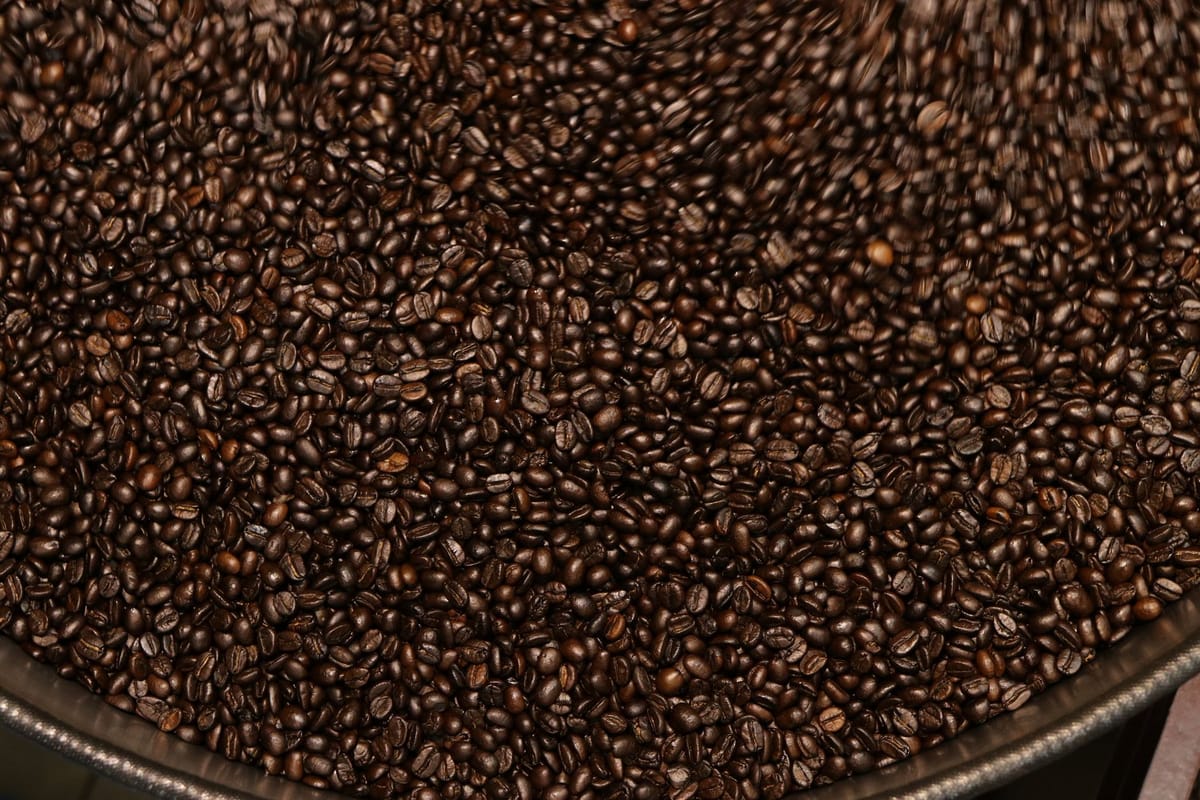
Light roast vs dark roast is primarily a choice about flavour: lighter roasts tend to highlight acidity and fruit, while darker roasts bring more bitterness and roasted character. Neither is automatically better. Choose according to what you enjoy and how you brew, rather than the colour of the beans alone.
Is dark roast or light roast better?
The better roast is the one that gives you an enjoyable cup with your brewing method, not the one with the more fashionable label.
Before buying, describe the cup you want. Do you enjoy noticeable acidity, or would you rather have a less acidic finish? Are you looking for distinct aromas or a familiar flavour? Those questions are more useful than treating light and dark as opposing teams.
Your starting point matters too. If you usually drink a dark blend, moving straight to a very light coffee can feel like a big change. You do not have to adopt someone else's preferences. Try an intermediate roast, taste it without sugar and decide whether you actually enjoy the difference.
A single word on the bag cannot tell you everything. Origin, processing and the product description add context. Our guide to reading a specialty coffee label explains what to look for before buying. Ask the roaster which brewing method they recommend and what flavour to expect.
What is the difference in taste?
The useful distinction is the balance between acidity, bitterness and roasted aromas.
- Light roast: as a general tendency, expect more acidic, citrusy and fruity impressions.
- Dark roast: expect a more roasted character, often with greater bitterness and cocoa-like notes; more intense roasting can bring smoky impressions.
These are tendencies, not guarantees for every bag. A sensory study of full-immersion coffee observed these differences in its samples. Treat that as context, not a score for your next purchase.
Keep description separate from judgement when tasting. Recognising a roasted note does not require you to reject a coffee, and recognising citrus does not require you to like it. Ask whether the drink is enjoyable from the first sip through the finish, and whether you would want another cup.
Which is stronger, light roast or dark roast?
A more bitter flavour does not, on its own, tell you that coffee is more concentrated or contains more caffeine.
When you call coffee strong, explain what you mean: a bold flavour, a concentrated drink or a lingering sensation? Without that distinction, two people can be discussing entirely different things. For this comparison, write down what you taste rather than making one word carry every meaning.
Keep the brewing method separate from your choice of beans, too. Comparing an espresso with a filter coffee changes the method as well as the coffee. Our filter coffee vs espresso guide helps you separate those decisions.
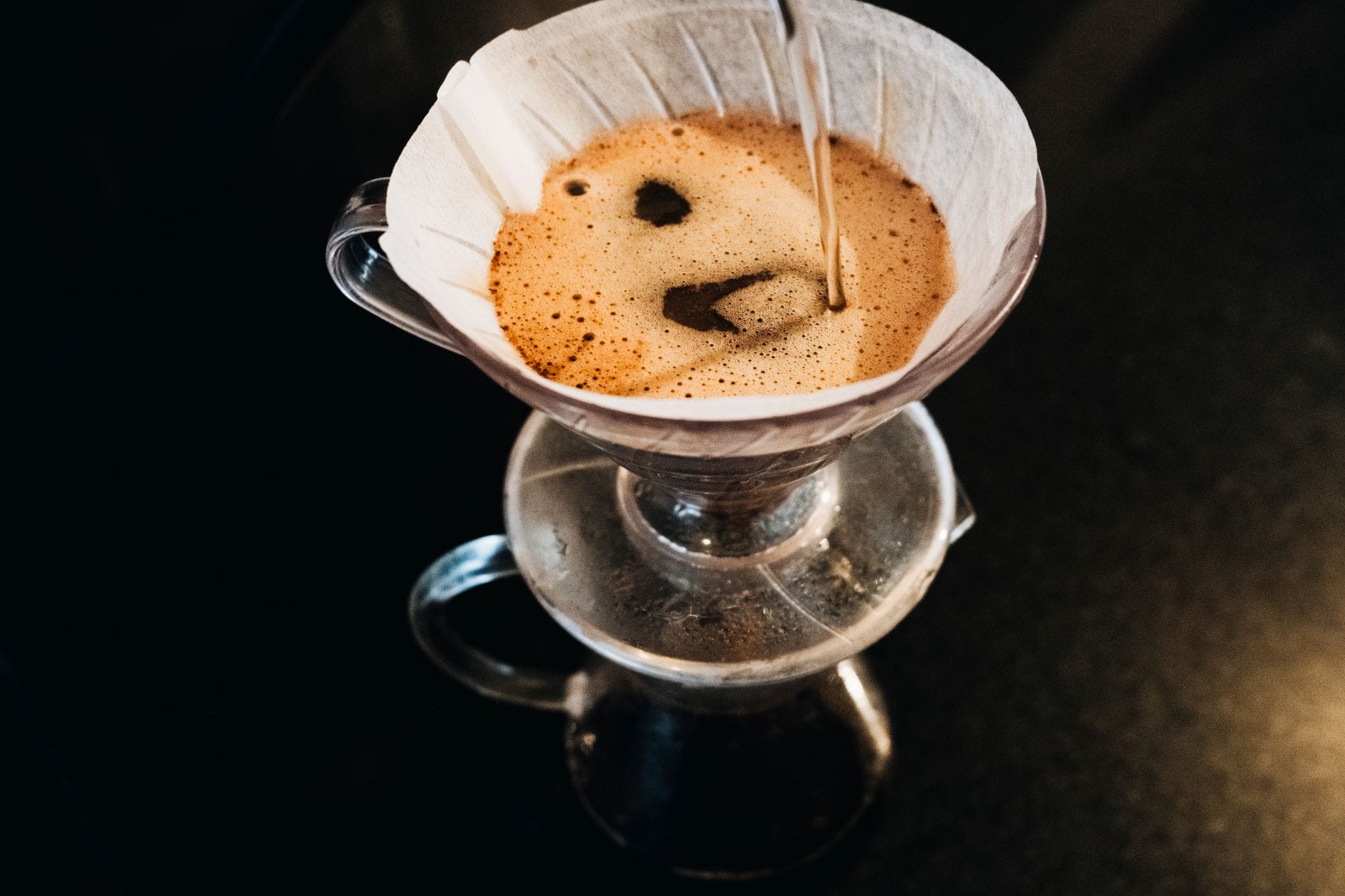
How should you choose for espresso, moka or filter?
Start with your preferred flavour and the roaster's recommendations, then check the result in the method you actually use.
For espresso, do not judge a new bag entirely by its first shot. Keep a recognisable starting recipe, record the dose and beverage yield, and change one parameter at a time. Your comparison should help you choose a coffee, not leave you guessing what changed between two shots.
For a moka pot, excessive bitterness is not a reason to blame the roast immediately. In his public video about bitter coffee, Angelo separates bean choice from brewing problems. His suggestions include not tamping coffee in the moka filter and, if you grind your own beans, trying a slightly coarser setting. These are things to test in your own cup, not universal guarantees.
For filter coffee, ask for a coffee recommended for that method and describe the flavours you like. Do not buy a light roast simply because it seems like the required choice. What you want to drink remains the deciding factor.
How can you compare two roasts fairly?
Use a repeatable preparation and write down your impressions before reading the tasting notes on the bags.
If possible, ask a roaster for the same coffee roasted in two different ways. With two different origins, you can still discover which bag you prefer, but you cannot automatically attribute every difference to roasting.
- Use the same method and water, and record your starting recipe.
- Note acidity, bitterness, aromas and enjoyment of the finish separately.
- Taste again after the cups have cooled a little.
- If you adjust the preparation, record the change before comparing again.
The Caffinity cupping guide, available in Italian, can help organise a tasting. The practical takeaway is simple: buy small amounts and keep a note for each trial. Choose the coffee you would like to drink tomorrow, not the one you think you ought to prefer.
On Patreon this week
For Premium members, Angelo wrote a follow-up on this topic, in Italian and English: Bitter coffee and roast level: your moka pot questions. The opening is free to read.
Join the Caffinity community
Caffinity Premium includes extra content and behind-the-scenes material from Angelo's videos, increased discount codes from partner specialty roasters and private Discord channels. Explore Caffinity Premium on Patreon.
For practical tests and comparisons, subscribe to Angelo's YouTube channel. The channel's videos are in Italian.
Tried a roast different from your usual choice? Tell us what changed in the free Caffinity Discord chat.
Read next

Coffee grinder for espresso, moka and filter: what to look for
Manual or electric, ceramic or steel, stepped or stepless: Angelo’s video compares grinders and shows what to consider for your brewing method and daily routine.

Giannina moka pot review: Angelo brews three cups and one
Angelo tries the Giannina’s lever-operated closure and reversible filter, then tastes both serving sizes. A first look, not a head-to-head moka comparison.

Cappuccino without espresso machine: three ways to froth milk
A French press, handheld frother and bottle each make a different milk texture. Watch Angelo and Barbara try them, and see why you shouldn’t put milk in a moka pot.